Coastal setting
Coastal setting
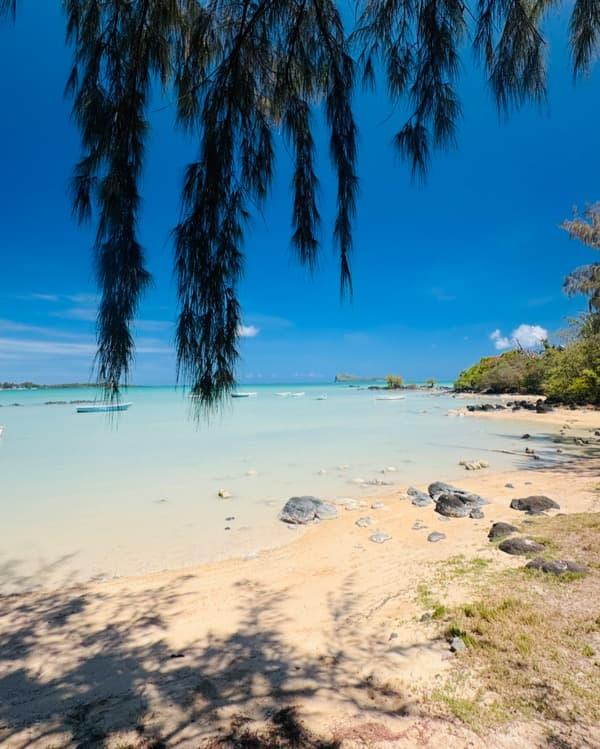
Butte à L’Herbe near Calodyne brings shaded picnic areas, footbridges and volcanic shoreline into one compact coastal stop.
Location
North
North Mauritius
Snorkeling
Check locally
Lagoon conditions may vary
Beach Amenities
Not Available
Check local facilities
Public Transport
Not Available
Plan travel ahead
Butte à L’Herbe is a quiet coastal area near Calodyne in northern Mauritius, reached across small bridges and shaded by trees. It suits travellers looking for picnics, photography and peaceful seaside walks rather than a busy swimming beach or organised watersports stop.
Butte à L’Herbe offers a different side of the north of Mauritius. Instead of a long resort-lined stretch of sand, you arrive at a small coastal area near Calodyne, connected to the mainland by small bridges and surrounded by water, trees and rocky shoreline.
A wooded area occupies the centre, creating shaded spaces that make Butte à L’Herbe particularly suited to a picnic, a quiet walk or simply spending time beside the sea. The combination of grass, sand, volcanic rocks and mature trees gives the place a more natural, informal character than many of the north's busier coastal stops.
The main reason to come is peace rather than activities. We do not position Butte à L’Herbe as a snorkelling destination, and notes that many visitors come for the setting rather than specifically to swim. It is a better choice for travellers who enjoy quiet scenery, photography, picnics and exploring less-developed parts of the coast.
There is no fixed amount of time needed. Butte à L’Herbe works well as a short scenic stop if you are exploring northeast Mauritius, while visitors bringing a picnic can naturally stay much longer. It may be less rewarding for travellers whose priority is a large swimming beach, watersports, restaurants or a highly developed tourist environment. For those experiences, other parts of northern Mauritius offer more choice.
Its location also makes it easy to include in a wider coastal route through Calodyne and Grand Gaube, with Anse La Raie another useful northern stop if you want to continue exploring the coastline.
THE UNIQUE MAURITIUS EXPLORED BEACH REALITY GUIDE
At a glance
• The experience — A secluded beach with fine sand, filao shade and sunset views. Quiet weekdays give way to a much livelier camping atmosphere during busy summer periods.
• Mauritius Explored beach score — 6/10. The setting and sunsets are the main attractions; the rough approach road and very shallow tidal water limit its appeal for a swimming-focused day.
• Best suited to — A picnic under the trees, an unhurried day beside the water and staying to enjoy the sunset.
• Not ideal for — Visitors looking for snorkelling, reliable swimming depth or a smooth, straightforward drive to the beach.
What to know before arriving
• Rough access road — The approach road is notably poor in our local experience. Drive slowly, assess the surface as you go and avoid sections your vehicle cannot comfortably negotiate.
• A secluded setting — The beach can feel very quiet outside busy periods. Bring your essentials rather than relying on finding services when you arrive.
• Plan your own transport — No public transport directly to the beach is noted in our local information. Arrange how you will arrive and leave before setting off.
• Foot protection — Bring protective footwear if you intend to enter the water, even though the beach itself has fine sand.
Swimming, snorkelling and lagoon conditions
• Strong tidal influence — The water becomes very shallow at low tide. Conditions can look quite different over the course of your visit.
• Swimming — Do not count on having enough depth for a comfortable swim. Check the tide and the actual water level before planning your day around swimming.
• Snorkelling — Not recommended as a reason to visit. The very shallow conditions make this a better beach for relaxing on shore than for a snorkelling outing.
• Warm water — The shallow water can become noticeably warm, particularly on hot days, and may remain warm into the evening. The temperature varies with weather and tide.
• Entering the water — Wear suitable footwear, look where you step and avoid coral or marine life. Shallow water should not be treated as automatically safe.
Crowds, sand and atmosphere
• Weekdays — Usually light footfall, sometimes with very few people around.
• Weekends — Typically a moderate crowd, becoming packed with campers during busy summer periods.
• Peak local season — End-of-year holidays and public holidays are especially popular for local camping gatherings.
• Sand and shade — Fine sand and filao trees make a shaded picnic spot one of the most appealing ways to enjoy the beach.
Facilities, security and getting there
• Public amenities — Public toilets are available on site.
• Transport — Plan on independent or pre-arranged transport. Allow extra time for the rough final approach.
• Personal belongings — The beach has a generally comfortable atmosphere in our local experience, but lock your car and keep valuables out of sight. Take essential valuables with you.
• Food and essentials — Bring drinking water, food and what you need for the day, particularly if you intend to stay until sunset.
• Sea activities — No organised sea activities are noted here. Come primarily for the beach setting, picnic time and evening views.
What makes Butte à l’Herbe distinctive
• Sunset appeal — Sunset is one of the highlights and a good reason to extend a relaxed beach visit into the evening.
• A lagoon shaped by the tide — The changing water level is part of the experience, with very shallow stretches at low tide and water that can retain warmth after a hot day.
• Nearby barachois — Several barachois can be found in the surrounding area. Explore only where access is permitted, respecting any gates, signs or private land.
• Seasonal camping atmosphere — The same beach that feels secluded on a weekday can become a busy gathering place for local campers over summer holidays.
Mauritius Explored local tips
• Settle under a filao — Choose a comfortable shaded spot for the day, keeping paths clear and allowing for shade to shift as the sun moves.
• Choose your atmosphere — Visit on a weekday for greater quiet. Expect more people, camping setups and activity over summer weekends and public holidays.
• Make sunset part of the plan — Bring what you need for a longer stay and allow for the rough road when planning your return journey.
• Check camping arrangements — The presence of campers does not establish that overnight stays are permitted everywhere. Check the arrangements before planning to camp yourself.
• Leave the beach clean — Take all rubbish away, keep the area around the trees tidy and leave space for other visitors.
Coastal setting
Beach and shoreline scenery
North Mauritius location
Use these practical tips as part of your planning flow and make more of your time on this coast.
Butte à L’Herbe is strongest as a quiet nature and picnic stop.
Calodyne and Grand Gaube make logical nearby additions.
The mix of trees, rocks, sand and water is part of the attraction.
It offers a different atmosphere from the more commercial areas of the north.
The visit can be brief or extended depending on how you want to use the setting.
Bring water and sun protection
Check wind, tide and sea conditions before entering
Carry only what you need for the beach
Use secure footwear if access involves a longer walk
Leave the shoreline as you found it
Yes, if you enjoy quiet coastal landscapes and places that feel less developed. It is particularly suited to picnics, photography and short walks. Visitors primarily looking for a large swimming beach, watersports or a busy tourist atmosphere may prefer another northern destination.
Butte à L’Herbe is in Rivière du Rempart district in northern Mauritius, close to Calodyne and Grand Gaube. Mauritius government records classify it among the area's proclaimed public beaches.
There is no set visit duration. It works well as a short stop for walking, photographs and coastal views, or as a longer stay if you are planning a relaxed picnic.
Not really. MauritiusExplored's existing information specifically notes that many people visit for the serenity of the setting rather than swimming and does not list it as a snorkelling location.
It suits couples, families, photographers and independent travellers looking for a quieter part of Mauritius. It is especially appealing if you enjoy shaded coastal spaces and informal nature stops rather than organised attractions.
Combine it with Calodyne and Grand Gaube for an easy northern coastal route. Anse La Raie can also be added if you are continuing west along the north coast.
Check current sea conditions, access, shade and available facilities before setting out.
Continue along the coast with nearby beaches selected from the same region.
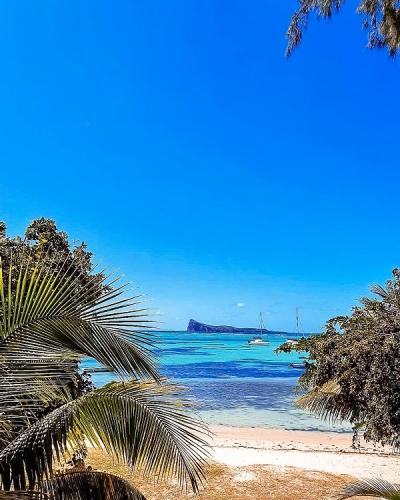
North · Snorkeling
Bain Boeuf puts Coin de Mire centre stage, with lagoon scenery and opportunities for a short beach visit or conditions-dependent snorkelling.
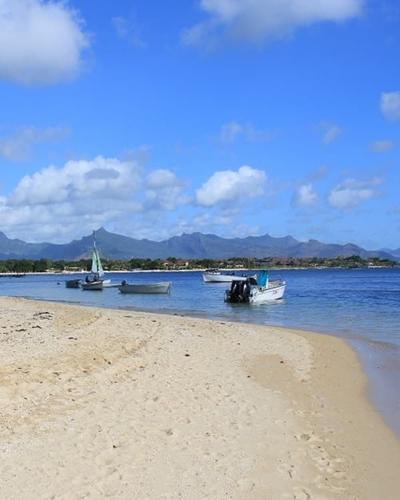
North · Secluded
Turtle Bay connects reef scenery, coastal hotels and the north-west lagoon.
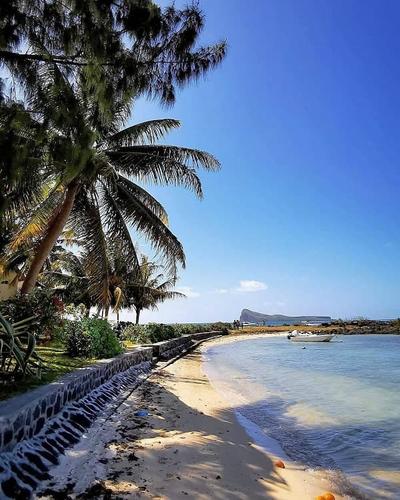
North · Beach
Cap Malheureux pairs Coin de Mire views with a fishing shore beneath the red-roof church. See how to plan a respectful stop.
Compare beaches by region and experience, then connect them to activities and itineraries across the island.