2026: January 1-2
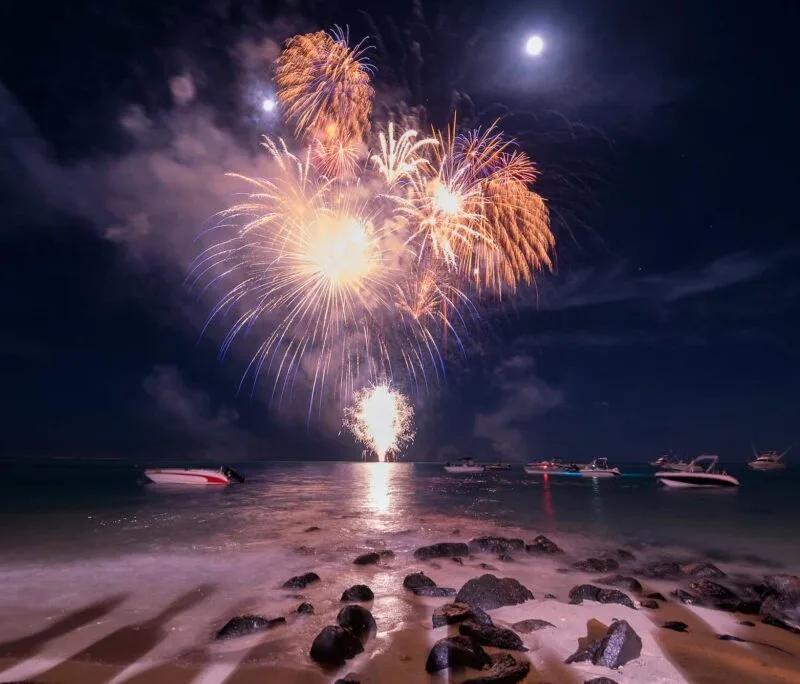
New Year's Eve
Mauritius celebrates New Year's Eve with beach dinners, resort events and fireworks along the coast.
For visitors: Reserve beach dinners early and ask your hotel which fireworks spots are easiest to reach.
Experience the vibrant multicultural celebrations of our island paradise with current-year dates.
Mauritius prides itself on being a multicultural society, where people of different religions, languages and cultures co-exist in one community.
The island's history brought together French, British, African, Indian and Chinese influences, each leaving traditions that still shape daily life.
This mix created a distinct Mauritian society with celebrations that are colourful, spiritual and deeply rooted in local family life.
2026 public holiday dates are listed where available. Eid dates may still depend on official moon-sighting confirmation.
Mauritius celebrates New Year's Eve with beach dinners, resort events and fireworks along the coast.
For visitors: Reserve beach dinners early and ask your hotel which fireworks spots are easiest to reach.
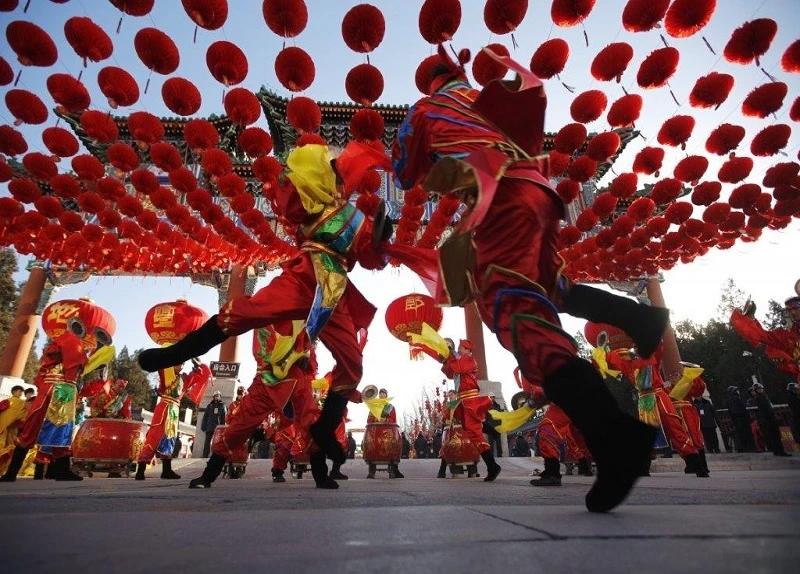
Chinese New Year brings lion dances, dragon dances, red lanterns and festive food around Port Louis and Chinatown.
For visitors: Go to Port Louis or Chinatown in the morning for colour, food stalls and lion-dance atmosphere.
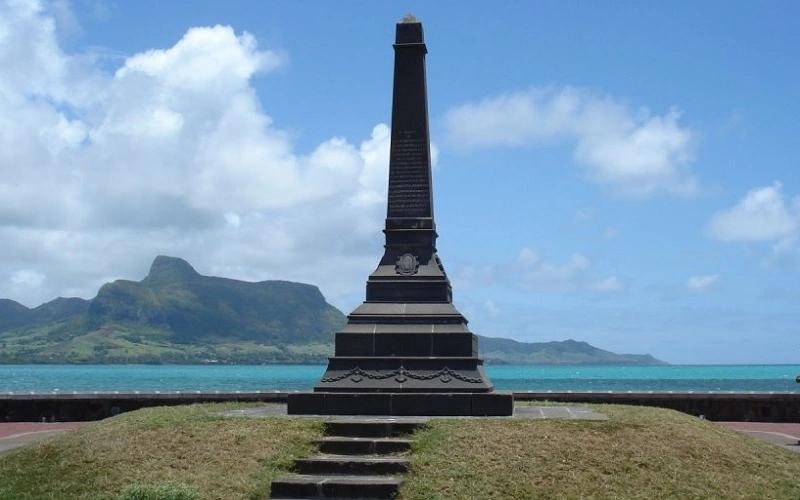
This public holiday remembers the abolition of slavery and an important turning point in Mauritius history.
For visitors: Pair the date with Le Morne Brabant to understand the island's maroon history and UNESCO story.
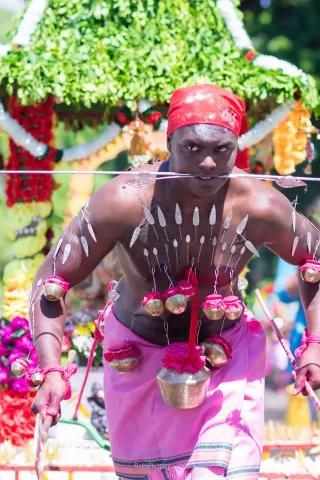
A major Tamil festival marked by fasting, offerings, processions and powerful devotion around temples.
For visitors: Watch respectfully near Tamil temples, dress modestly and avoid blocking processions.
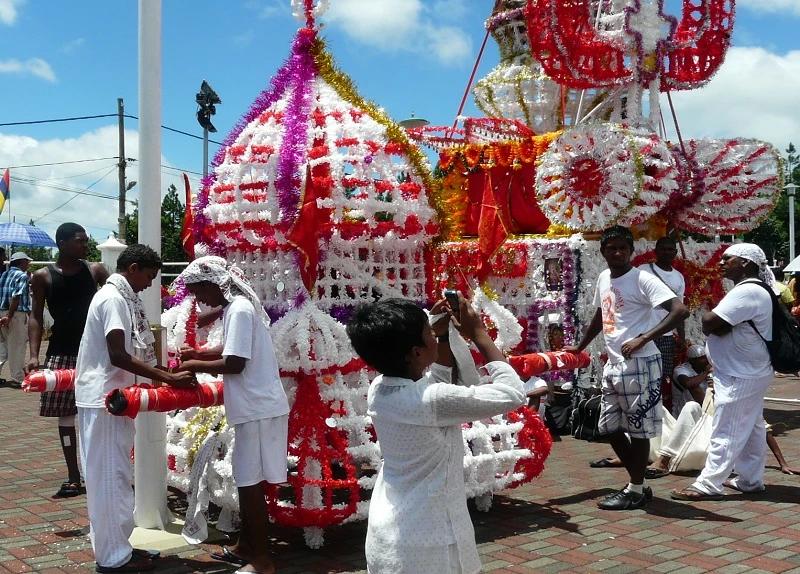
Devotees walk to Grand Bassin carrying decorated kanwars to honour Lord Shiva at the sacred lake.
For visitors: Grand Bassin is powerful but busy; expect traffic and visit with quiet, respectful behaviour.
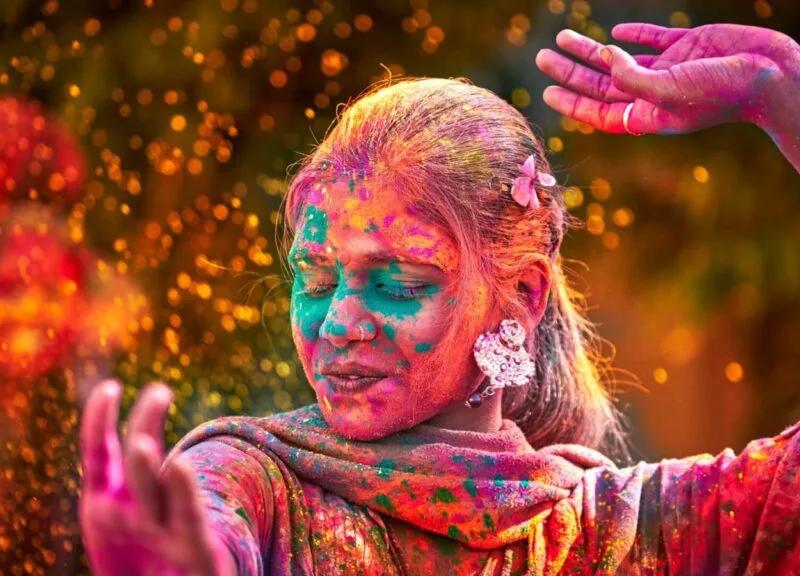
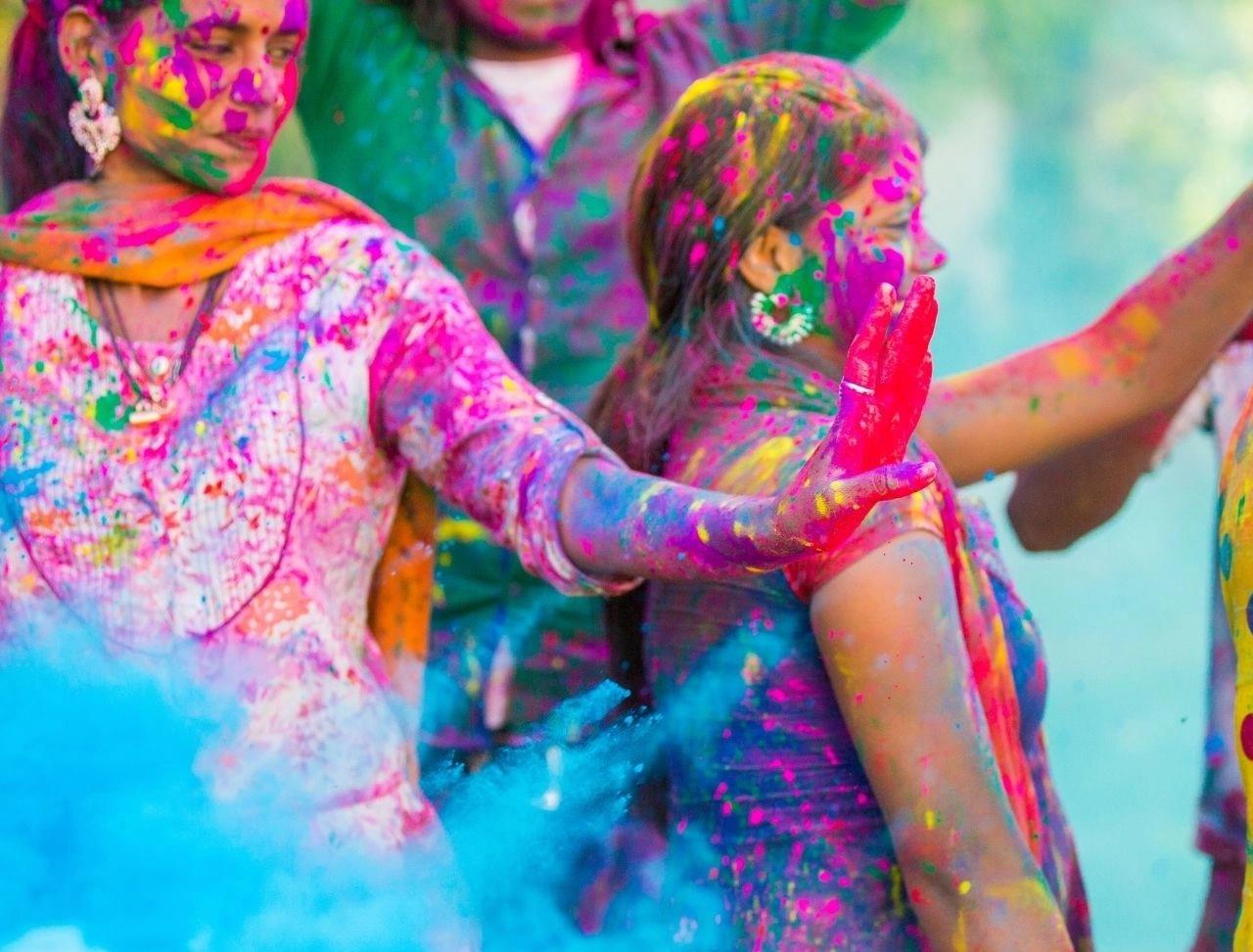
Holi celebrates the victory of good over evil with bonfires, colour powder and joyful community gatherings.
For visitors: Join only when invited, protect cameras and wear clothes you do not mind staining.
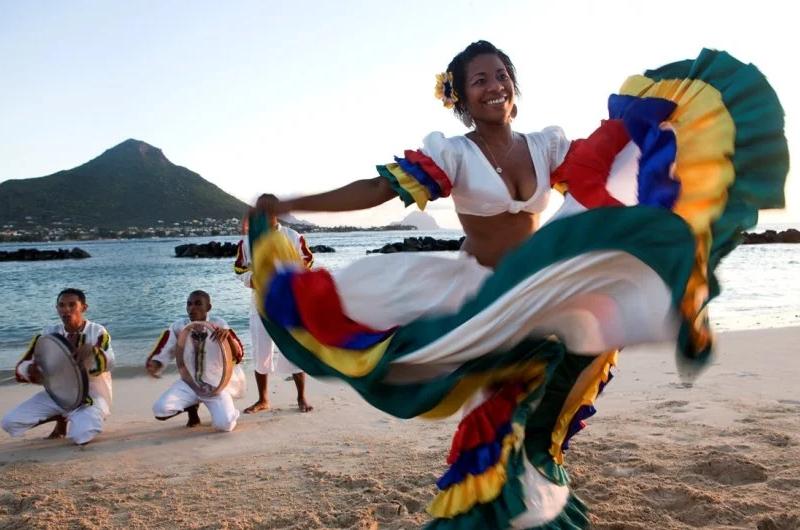
Mauritians mark independence with flags, public ceremonies and local gatherings across the island.
For visitors: Look for flags, local gatherings and official ceremonies, especially around towns and schools.
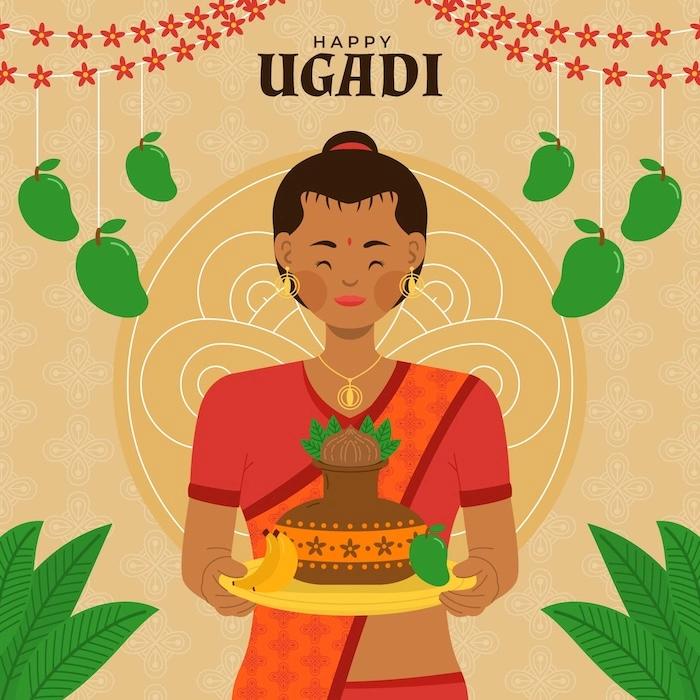
Ugaadi marks New Year for Deccan communities and is observed through family and temple traditions.
For visitors: This is more family and temple focused than a tourist spectacle, so observe quietly if invited.
Eid-ul-Fitr marks the end of Ramadan with prayers, family gatherings and festive meals.
For visitors: Dates can shift with moon sighting; expect family gatherings, mosque activity and festive meals.
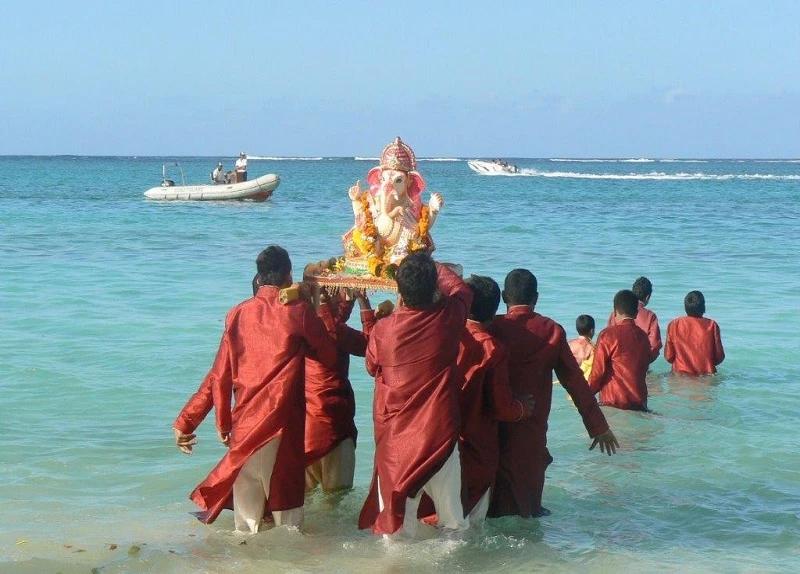
Ganesh Chaturthi honours Ganesha with prayers, temporary shrines and community processions.
For visitors: Look for temple and community processions, and ask before photographing worshippers.
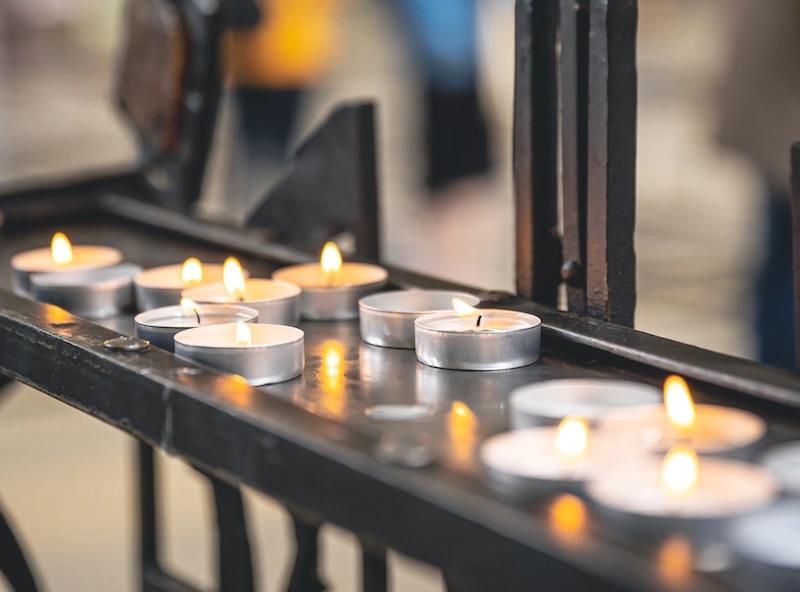
People of many faiths visit the shrine of Pere Laval in Sainte Croix, Port Louis.
For visitors: Sainte Croix is busiest around the vigil and feast day; go slowly and follow crowd guidance.
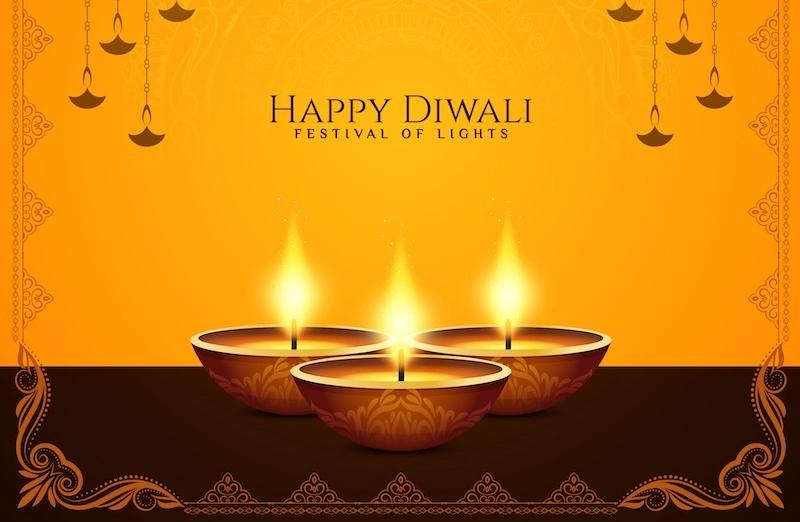
Diwali lights homes and neighbourhoods with lamps, sweets and the celebration of light over darkness.
For visitors: Walk neighbourhoods respectfully after dark, enjoy the lights and accept sweets only when offered.
Plan your visit during one of our vibrant festivals and immerse yourself in the rich cultural heritage of Mauritius.
Best Time to Visit Mauritius