Four Seasons Mauritius Seagrass Nursery
A Luxury Resort Lagoon Becoming a Living Marine Classroom
When you spend time close to the water, especially on the east coast, you quickly realise that the lagoon is more than a beautiful view. It is alive. It is a nursery, a shelter, a carbon store, a home for fish, seahorses, rays, turtles, mangroves and coral life.
During our visit to Four Seasons Resort Mauritius at Anahita, the most memorable part was not only the luxury setting. It was seeing how the resort is turning part of its lagoon environment into something deeper: a living marine classroom.
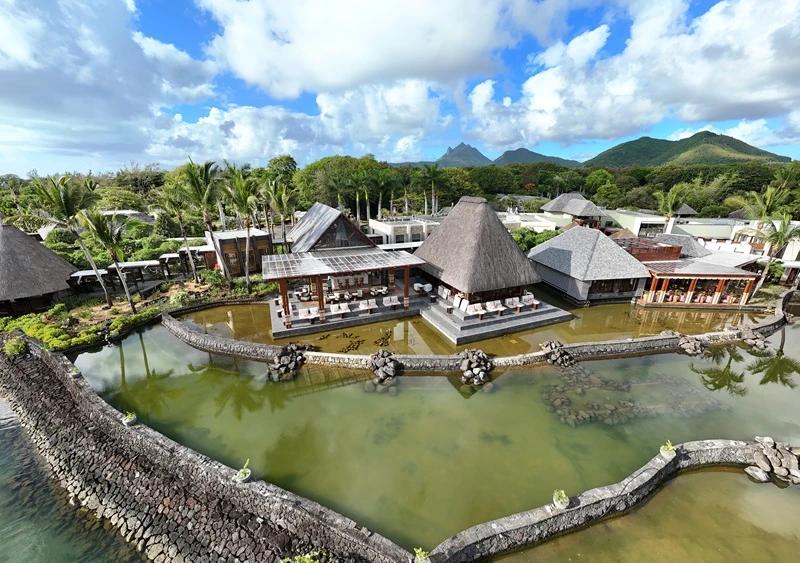
At the centre of this story is the resort’s seagrass meadow nursery initiative, a conservation project inside its Barachois. Four Seasons announced that it would become the first resort in the Indian Ocean to develop a seagrass nursery in this way, using a one-metre-deep saltwater body near its dining facilities that already hosts more than 200 herbivore and omnivore fish.
A Luxury Lagoon with a Conservation Story
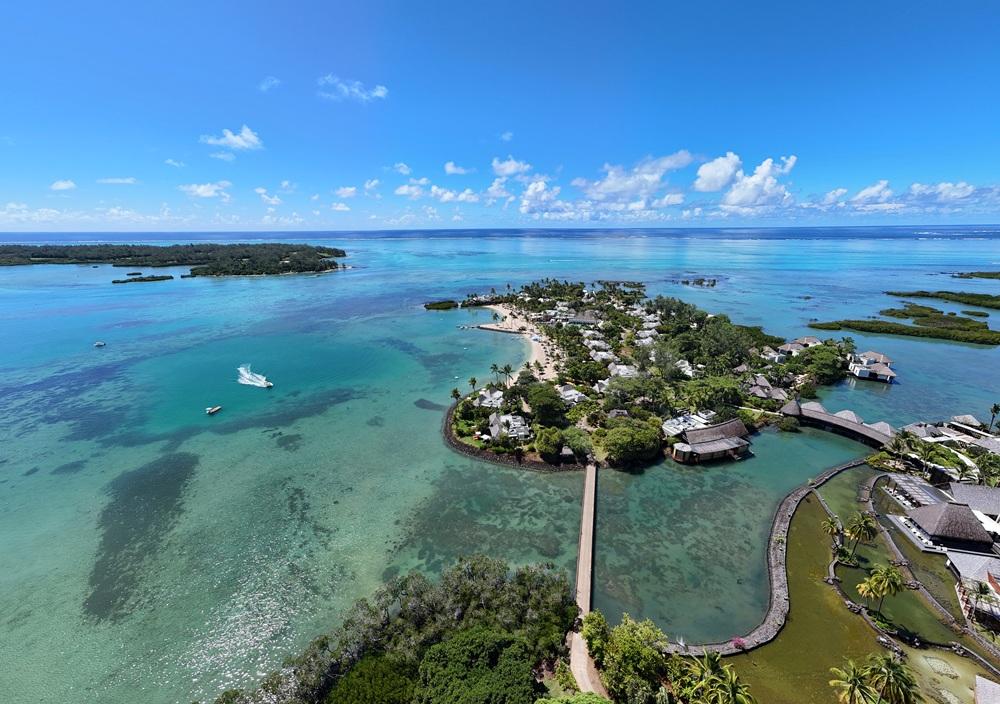
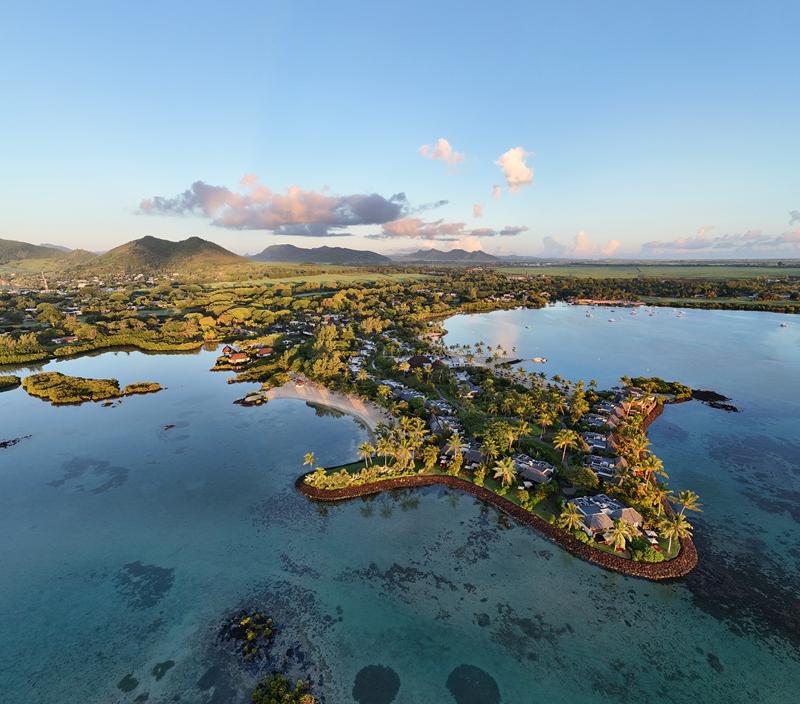
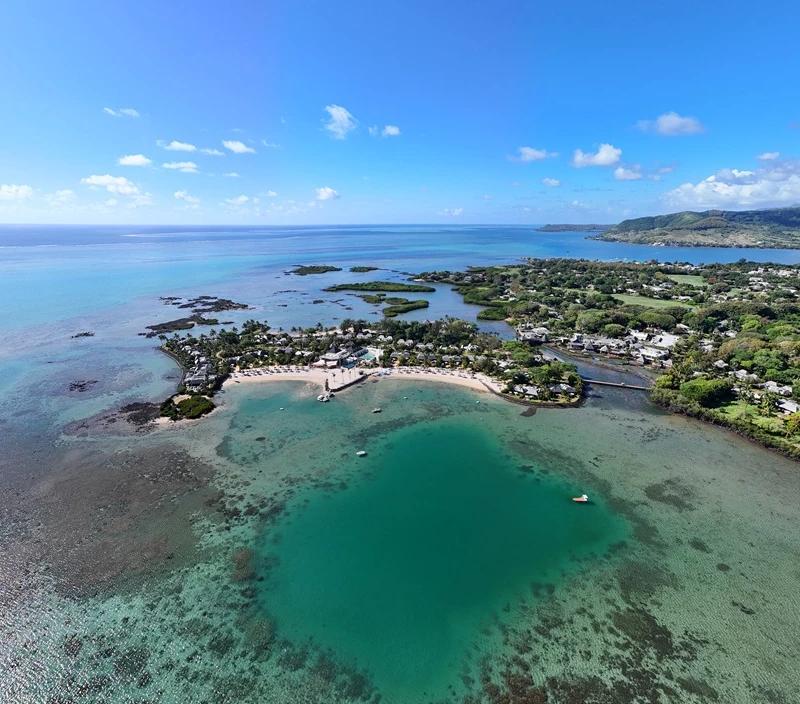
Four Seasons Resort Mauritius at Anahita sits on the east coast, one of the most peaceful and lagoon-rich parts of Mauritius. This side of the island is known for calm water, luxury resorts, golf, mangroves, island excursions and some of the most beautiful blue tones in the country.
But the lagoon around Anahita is not only there for swimming, kayaking and resort views. It forms part of a delicate coastal ecosystem. Four Seasons describes the resort as being set beside one of Mauritius’ largest and most pristine lagoons, where mangroves and reef areas help support biodiversity on the east coast.
That is what makes this project important. It shows that luxury tourism in Mauritius can be more than villas, beaches and spa treatments. It can also be about learning, restoration and protecting the natural systems that make the island beautiful in the first place.
For travellers, this changes the way you experience a resort lagoon. You no longer look at the water only as scenery. You begin to see it as habitat.
Why Seagrass Matters in Mauritius
Most visitors know about coral reefs, turtles and tropical fish. Fewer people know about seagrass. Yet seagrass is one of the most important coastal habitats in Mauritius.
Seagrass is not seaweed. It is an underwater flowering plant that grows in shallow coastal waters. In a lagoon, healthy seagrass meadows can stabilise sediment, improve water quality, support juvenile fish, provide habitat for seahorses and rays, and help store carbon.
In Mauritius, this matters because our tourism, fishing heritage and coastal identity are all connected to healthy lagoons. When seagrass disappears, the lagoon loses one of its quiet foundations.
The Four Seasons seagrass nursery is part of the Blue Carbon Ecosystems Project: Restoration of Blue Carbon Ecosystems, led by the Odysseo Foundation, a local trust developing marine conservation projects in Mauritius. The project is also linked to the Fonds Business Biodiversité Océan Indien, under the Varuna Program, implemented by Expertise France and funded by the French government through Agence Française de Développement, with partners including ADD Mauritius, Attitude Foundation and Fondation Solidarité Eclosia.
For a small island like Mauritius, this is the kind of conservation work that deserves attention. It connects science, hospitality, education and the future of sustainable tourism.
What Is the Four Seasons Seagrass Meadow Nursery?
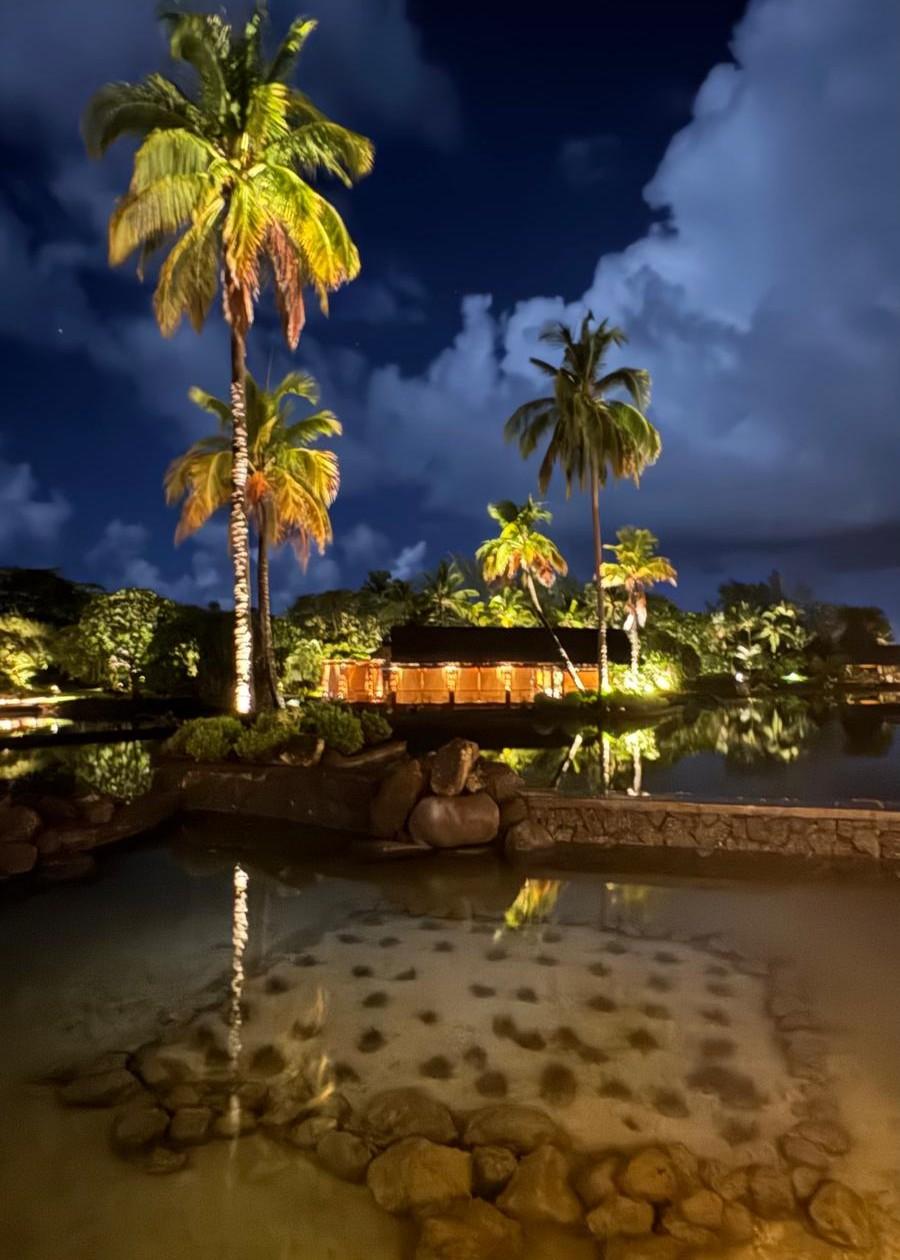
The seagrass nursery is being developed inside the resort’s Barachois, a shallow saltwater body close to the resort’s dining area. A Barachois is a coastal saltwater environment, often sheltered and connected to the sea, making it suitable for fish, mangroves and nursery habitats.
According to Four Seasons, surveys of the Barachois water quality and sediment showed favourable conditions for seagrass species such as Syringodium isoetifolium and Halodule uninervis. This matters because seagrass restoration is not simply a matter of planting anywhere. Light, sediment, salinity, temperature and water quality all matter.
The process is designed carefully:
Seeds and transplants are collected from the wild.
Seeds are germinated in an Odysseo lab.
Seedlings are grown under suitable conditions.
Stronger plants are later moved into the resort’s Barachois.
The long-term goal is to help restore seagrass meadows and create healthy habitat for marine life.
Rick-Ernest Bonnier, the resort’s Ocean Environment Manager, describes it as a “pilot project” focused on restoring seagrass meadows around the resort’s marine area.
From a visitor’s point of view, this turns the resort lagoon into something rare: a place where guests can see conservation happening, not just read about it.
Seagrass, Mangroves and Seahorses: The Ecosystem Connection
The most interesting part of this conservation story is how everything connects.
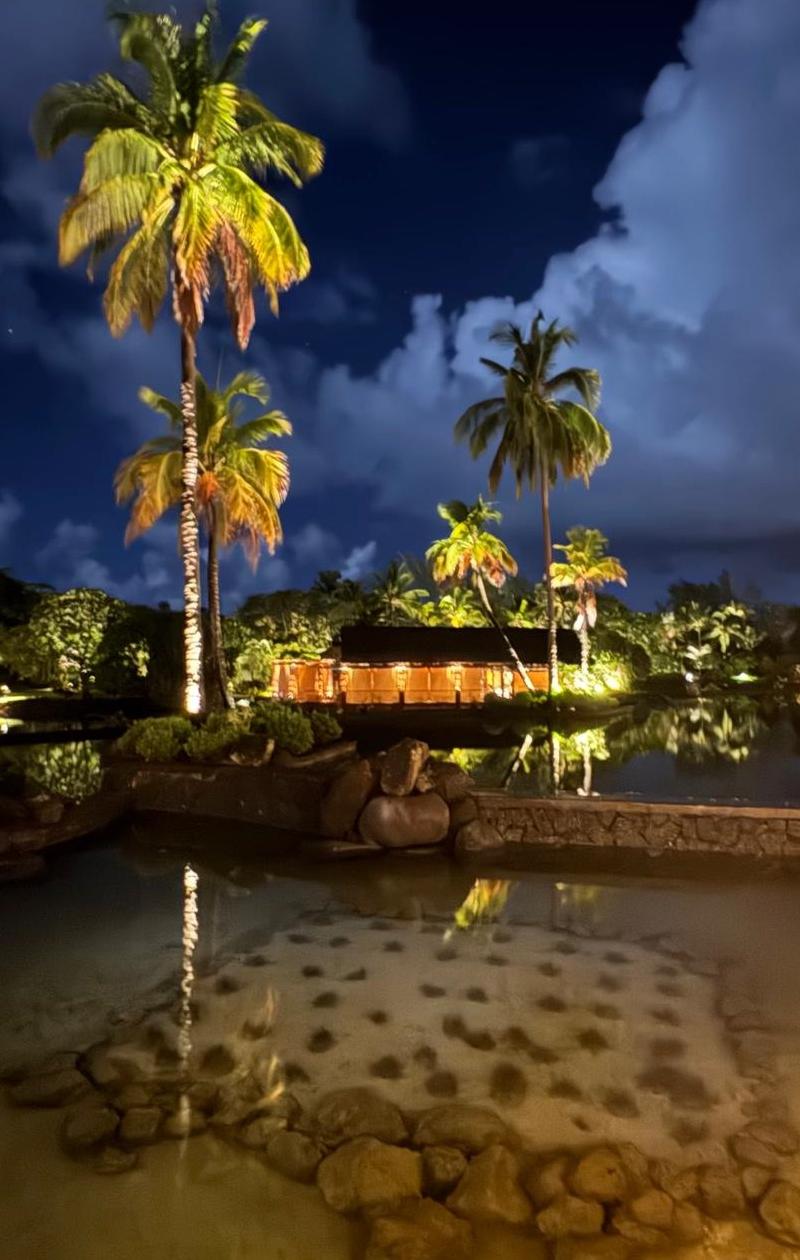
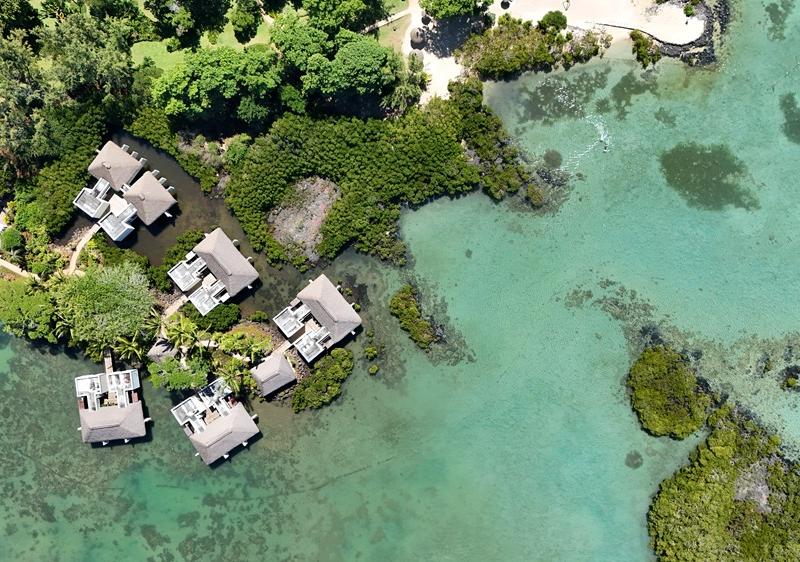
Mangroves help protect the coastline and support young marine life. Seagrass stabilises sediment and creates underwater shelter. Reefs help protect the lagoon from wave energy and support marine biodiversity. Seahorses, juvenile fish, rays and turtles all depend on healthy habitats.
At Four Seasons Mauritius, these elements are not treated separately. The seagrass nursery, mangrove awareness, seahorse research and nature walks all tell one bigger story: the lagoon is a living system.
For visitors, this is an important lesson. A beautiful lagoon is not created by colour alone. It depends on balance. If mangroves are damaged, if seagrass disappears, if water quality declines, the whole lagoon becomes weaker.
That is why projects like this matter for Mauritius. They help protect the natural beauty that travellers come to experience.
Guest Experiences: Learning While Travelling
One of the strongest parts of the Four Seasons conservation program is that it gives guests a way to engage.
The resort highlights several nature-based experiences:
Guided Barachois tours
Resort Nature Walks
Seahorse Snorkel experiences
Opportunities to observe seagrass transplanting
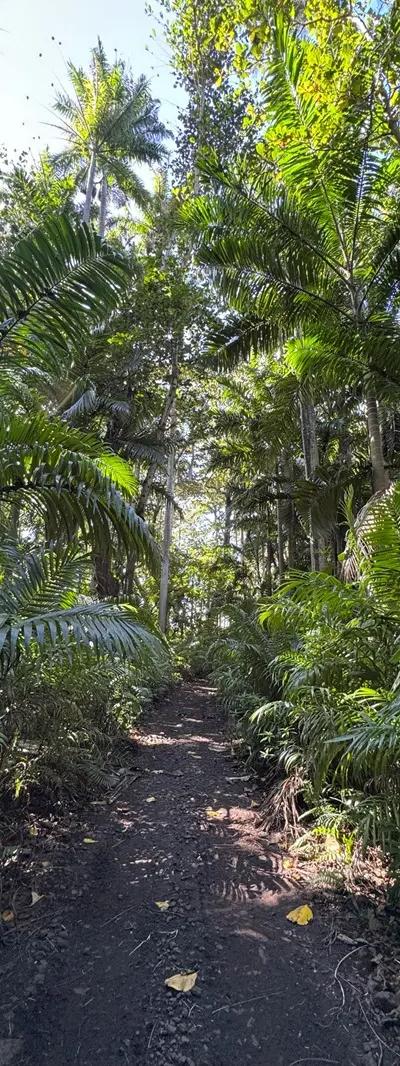
Learning about mangroves, birds, endemic plants and marine life
Rick brings more than eight years of on-site conservation experience to these activities, and guests can join him to learn about the resort’s fauna, flora, bird sounds and flower species.
This is especially valuable for families. Children may remember seeing a seahorse, learning about mangroves or walking through endemic plants more than a standard hotel activity. It gives meaning to the holiday.
Why This Matters for Mauritius Tourism
Mauritius tourism is evolving. Visitors still want beautiful hotels and beaches, but many also want to know whether their trip supports the destination rather than only consuming it.
This is especially true for:
Families looking for educational experiences
Honeymooners who want meaningful luxury
Eco-conscious travellers
Snorkellers and ocean lovers
Repeat visitors who want deeper experiences
Guests interested in conservation and local nature
The Four Seasons seagrass nursery gives Mauritius a stronger sustainable tourism story. It shows that a resort can become part of the solution by using its location, resources and guest platform to support awareness and restoration.
It also shows how high-end hospitality can help protect what makes the destination valuable: the lagoon itself.
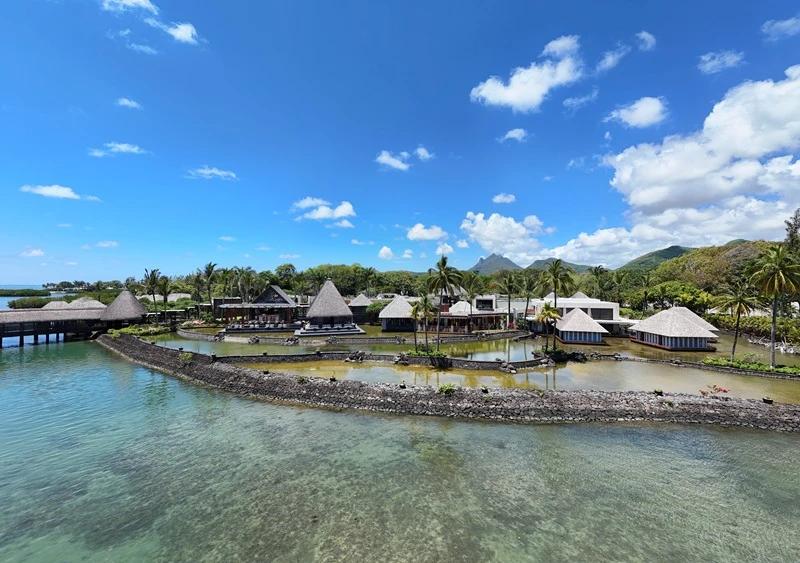
For many visitors, Mauritius begins with a beach. But the real beauty of the island is in the living systems behind that beach: the mangroves, seagrass, reefs, fish, birds, endemic trees and people working quietly to protect them.
The Four Seasons Mauritius seagrass meadow nursery is a strong example of how luxury tourism can become more meaningful. A resort lagoon can be more than a view. It can become a place of learning, restoration and awareness.
As locals, this is the kind of story we believe Mauritius needs more of. Visitors should enjoy the island, but they should also understand it. Our lagoons are not unlimited. They need care, science, education and respect.
At Four Seasons Resort Mauritius at Anahita, the lagoon is becoming more than a luxury setting. It is becoming a living marine classroom — and that is a powerful direction for the future of tourism in Mauritius
Explore this topic
Get new Mauritius guides by email
Join the Mauritius Explored list for trip ideas, practical updates and downloadable planning help.

Written by the Mauritius Explored editorial team, a Mauritian travel guide focused on beaches, activities, local places, and practical island planning.
Local Mauritius travel research, itinerary planning, and destination coverage since 2011.