Best Snorkelling Spots in Mauritius
Best Snorkelling Spots in Mauritius (2027 Guide): Top Lagoons, Coral Reefs & Hidden Gems
Updated 12 October 2026
Looking for the best snorkelling in Mauritius? The right spot depends on the kind of day you want. Blue Bay Marine Park is the strongest all-round choice for clear, shallow water and easy access; Flic en Flac is one of the simplest options for snorkelling from the beach; Le Morne combines lagoon snorkelling with one of Mauritius' most iconic landscapes; while Coin de Mire and Île Plate suit travellers who want an offshore boat trip.
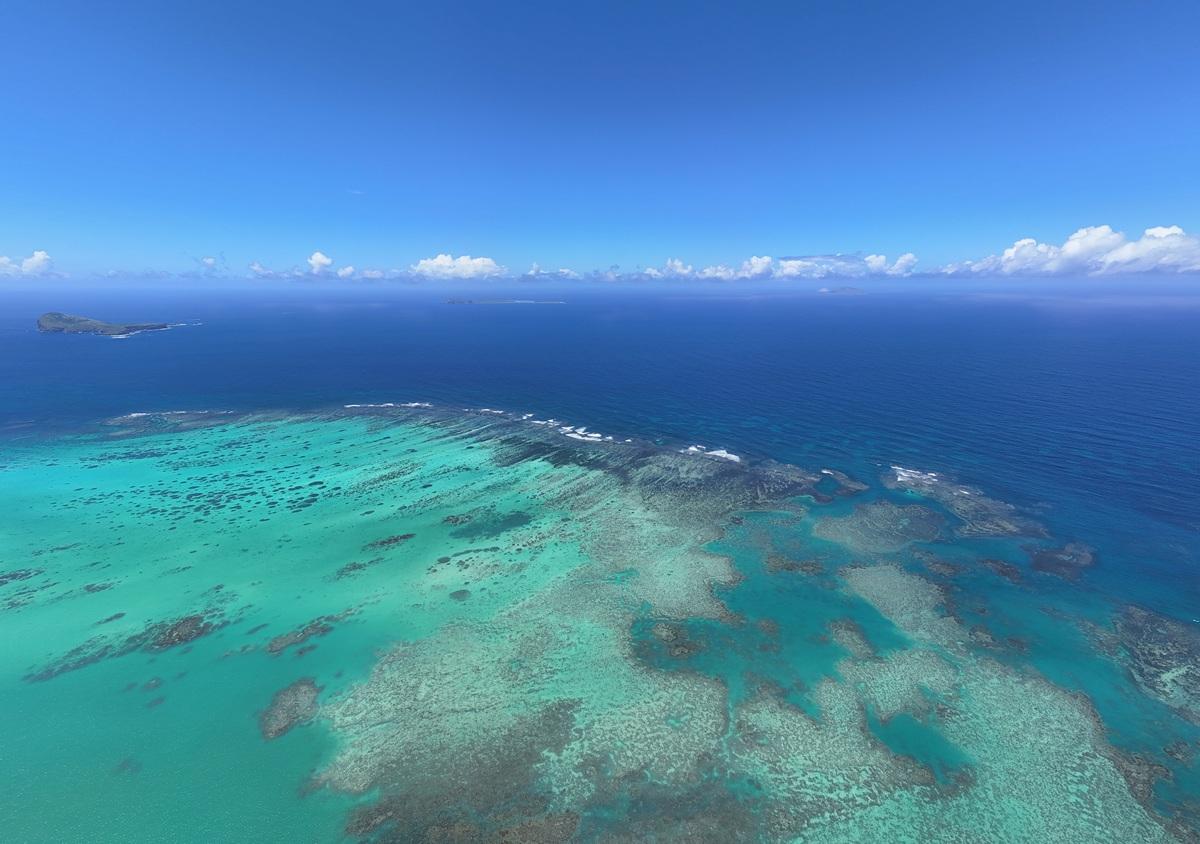
Mauritius is one of the easiest Indian Ocean islands for casual snorkelling because much of the coastline is protected by reef and lagoon. But conditions are not identical around the island: reef quality, wind, tide, water depth, boat traffic and access all vary by coast. This guide compares the main snorkelling spots already covered by MauritiusExplored so you can choose by location, experience level and how much travelling you want to add to your day.
Blue Bay Marine Park — Best overall and best for beginners. Access from the shore, with short boat options. South East. Protected marine setting and easy shallow-water snorkelling.
Île aux Cerfs — Best for snorkelling combined with a full activity day. Access by boat. East. Easy to combine with lagoon excursions.
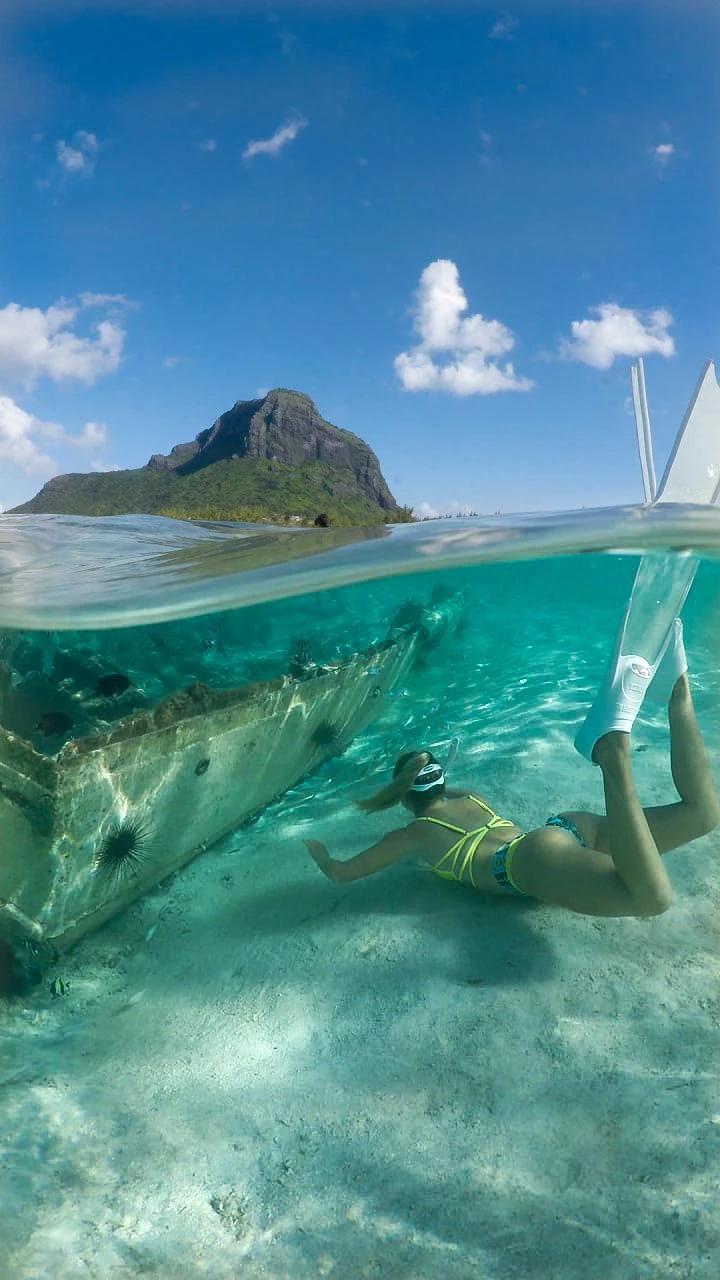
Le Morne — Best for scenery and a relaxed lagoon. Beach or local boat. South West. Iconic mountain backdrop.
Flic en Flac — Best for easy shore access. Beach. West. Convenient for casual snorkelling.
Belle Mare — Best as a quiet east-coast option. Beach or local reef access. East. Relaxed lagoon experience.
Bel Ombre — Best for a less crowded south coast. Beach or local access. South. Good for travellers avoiding busier resort beaches.
Balaclava — Best as a north-west reef option. Beach or hotel access. North West. Quieter alternative near north-west hotels.
Coin de Mire — Best for offshore clarity on a guided trip. Boat. North. Strong choice for a dedicated snorkelling excursion.
Île Plate — Best for a remote, full-day snorkel. Boat. North. Best for travellers who want a more adventurous offshore day.
For a first snorkelling experience in Mauritius, Blue Bay Marine Park is the best all-round starting point because it combines a protected marine setting, clear shallow water and options for both shore access and boat-assisted snorkelling. For easy beach access choose Flic en Flac; for scenery choose Le Morne; for an offshore boat day choose Coin de Mire or Île Plate.
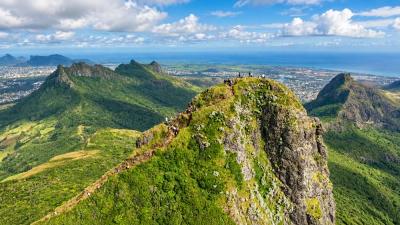
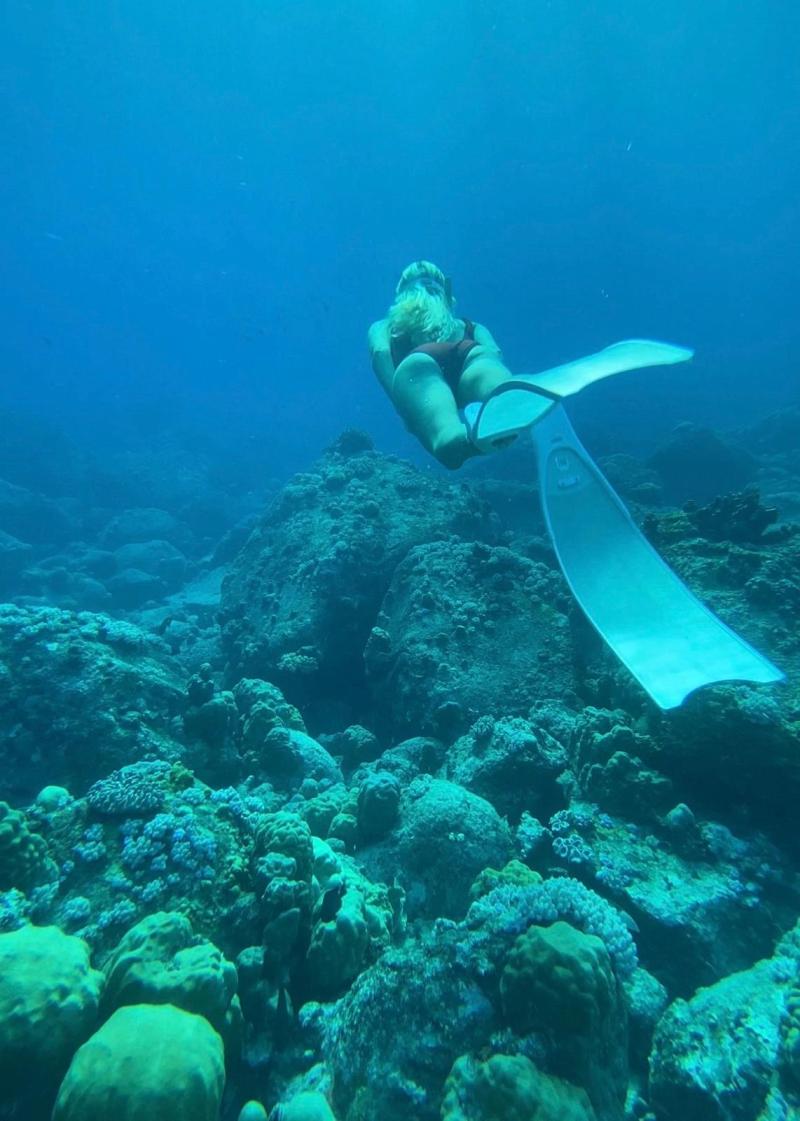
Le Morne Pointe Pecheur
Why Snorkelling in Mauritius Is So Special
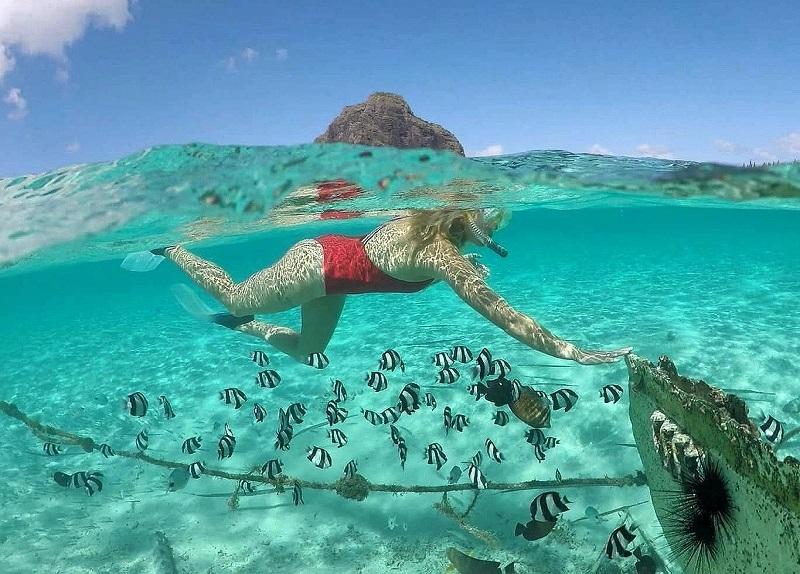
Mauritius has a large fringing-reef and lagoon system that creates many sheltered areas where visitors can snorkel without needing a full dive trip. That makes the island particularly accessible to beginners and families, while boat excursions to offshore reefs and islets give more experienced snorkellers access to clearer, deeper water.
Depending on the site and conditions, snorkellers may encounter:
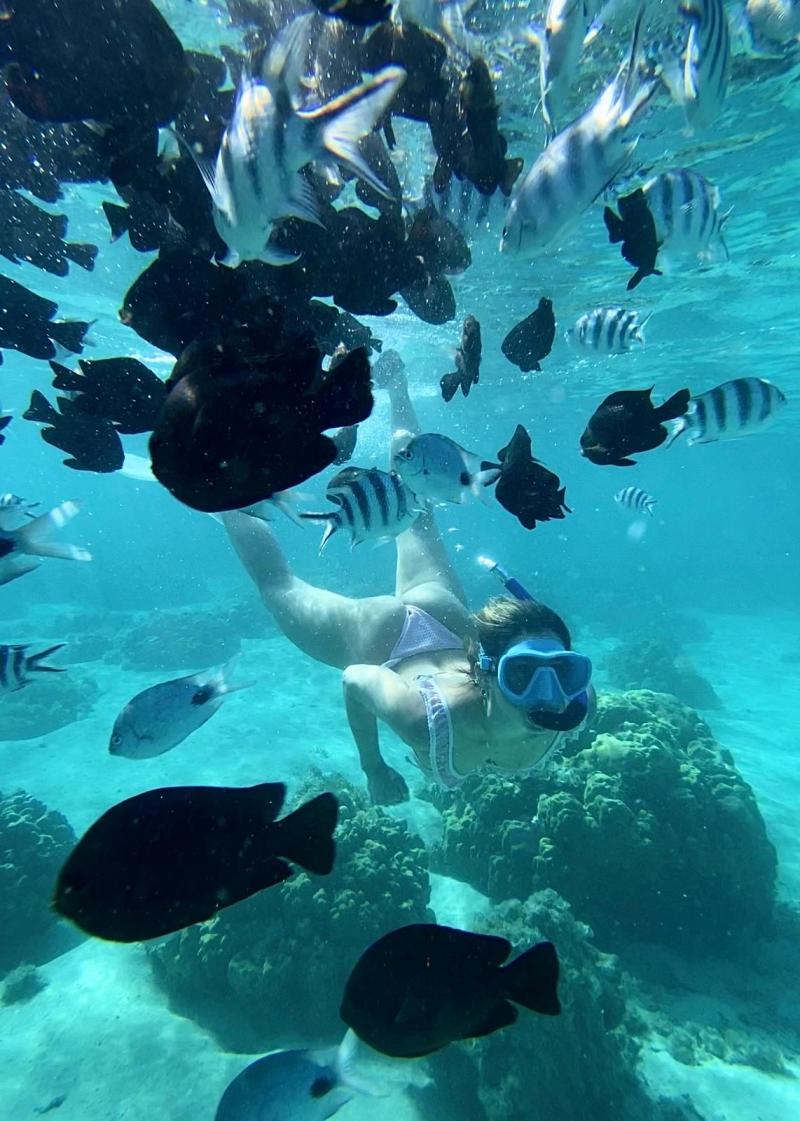
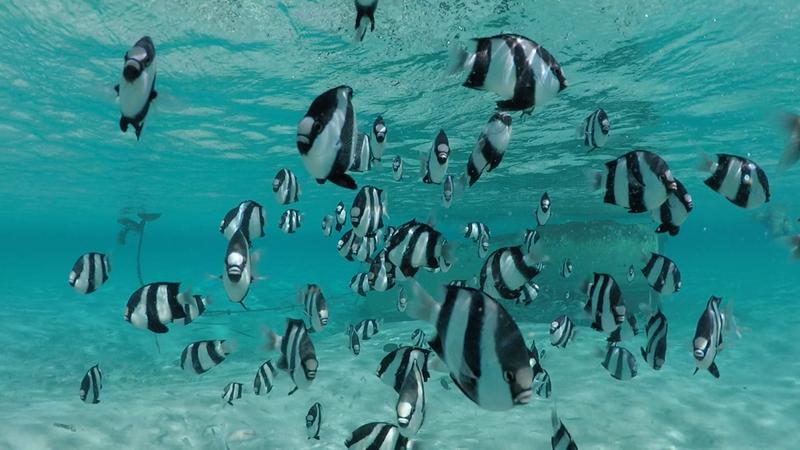
· Colourful reef fish such as parrotfish, butterflyfish and angelfish
· Coral gardens and reef formations
· Sea urchins, starfish and other lagoon life
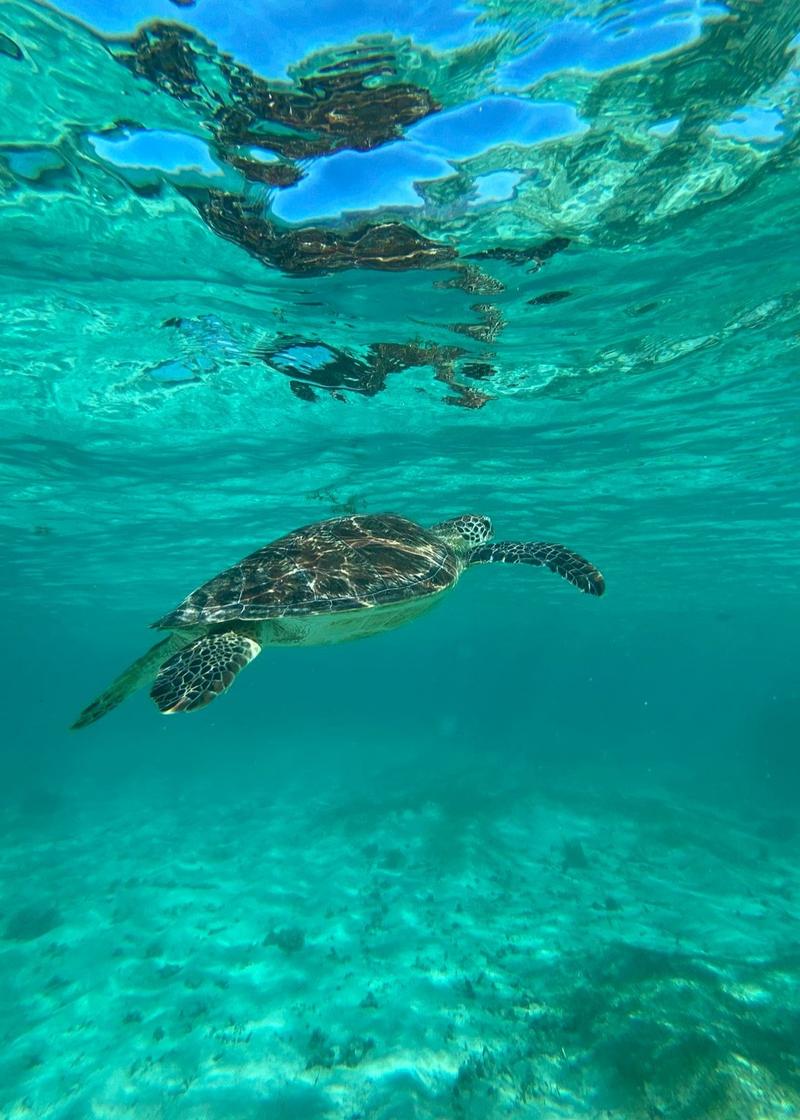
· Occasional sea turtles - always as wild animals, so sightings are never guaranteed
The best experience comes from choosing the right location for the day rather than assuming every beach offers the same reef. Use the comparison below, then continue to the detailed spot-by-spot sections.
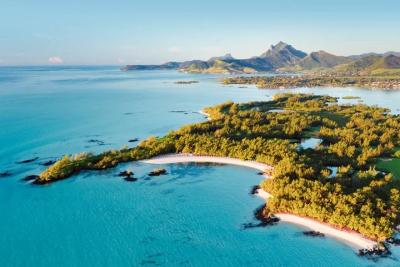
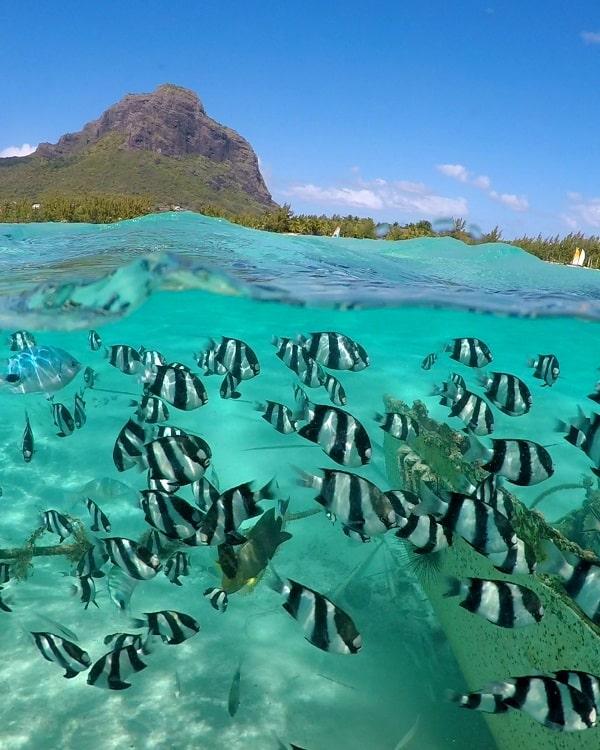
Ilot Gabriel lagoon
Blue Bay Marine Park — Best Snorkelling Spot in Mauritius
Widely considered the best snorkelling spot in Mauritius, Blue Bay Marine Park is a protected area known for its exceptional water clarity and rich marine biodiversity.
Why it stands out:
Protected marine ecosystem
Extremely clear water
Diverse coral species and tropical fish
The shallow lagoon makes it ideal for all levels, from beginners to experienced snorkellers. Glass-bottom boat tours are also available.
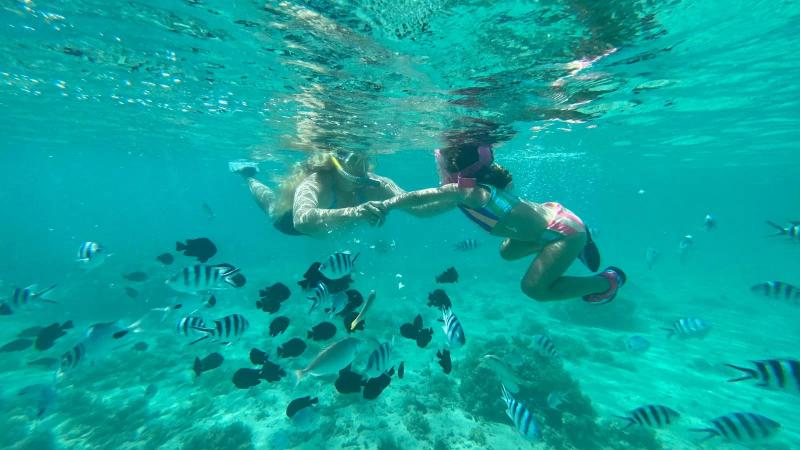
Blue Bay National Marine Park easy snorkelling with family
Île aux Cerfs — Lagoon Snorkelling & Activities
Île aux Cerfs is one of the most famous destinations in Mauritius, offering not only beautiful beaches but also excellent snorkelling spots around the island.
This GPS is the Trou d'eau douce embarcation Point
Why snorkel here:
Crystal-clear lagoon
Easy access via boat tours
Combination of relaxation and activities
Snorkelling is often included in catamaran or speedboat excursions, making it a convenient option for visitors.
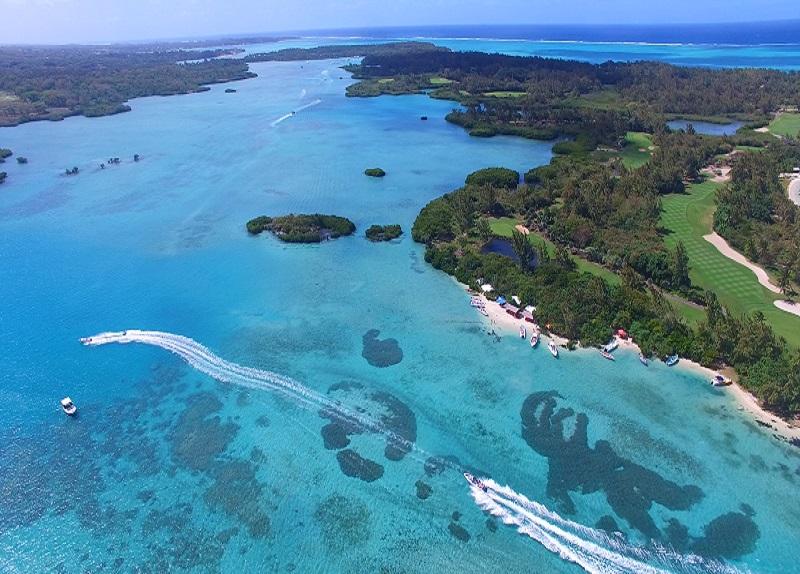
Ile aux Cerfs Island, East coast
Le Morne Brabant — Snorkelling with Iconic Views
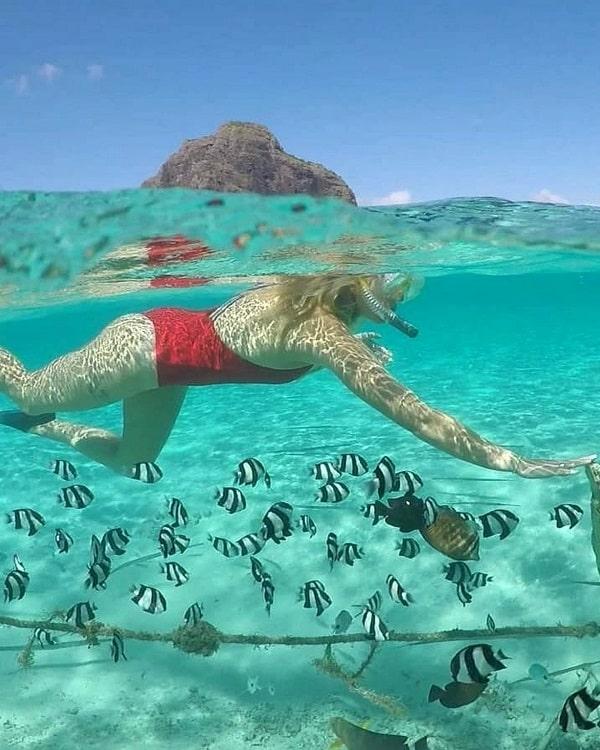
Le Morne offers one of the most scenic snorkelling experiences in Mauritius. The lagoon is shallow and calm, with patches of coral and abundant marine life.
Why snorkel here:
Stunning mountain backdrop
Clear lagoon with good visibility
Less crowded than other spots
This is a great location for combining snorkelling with beach relaxation.
Flic en Flac — Easy Access Reef Snorkelling
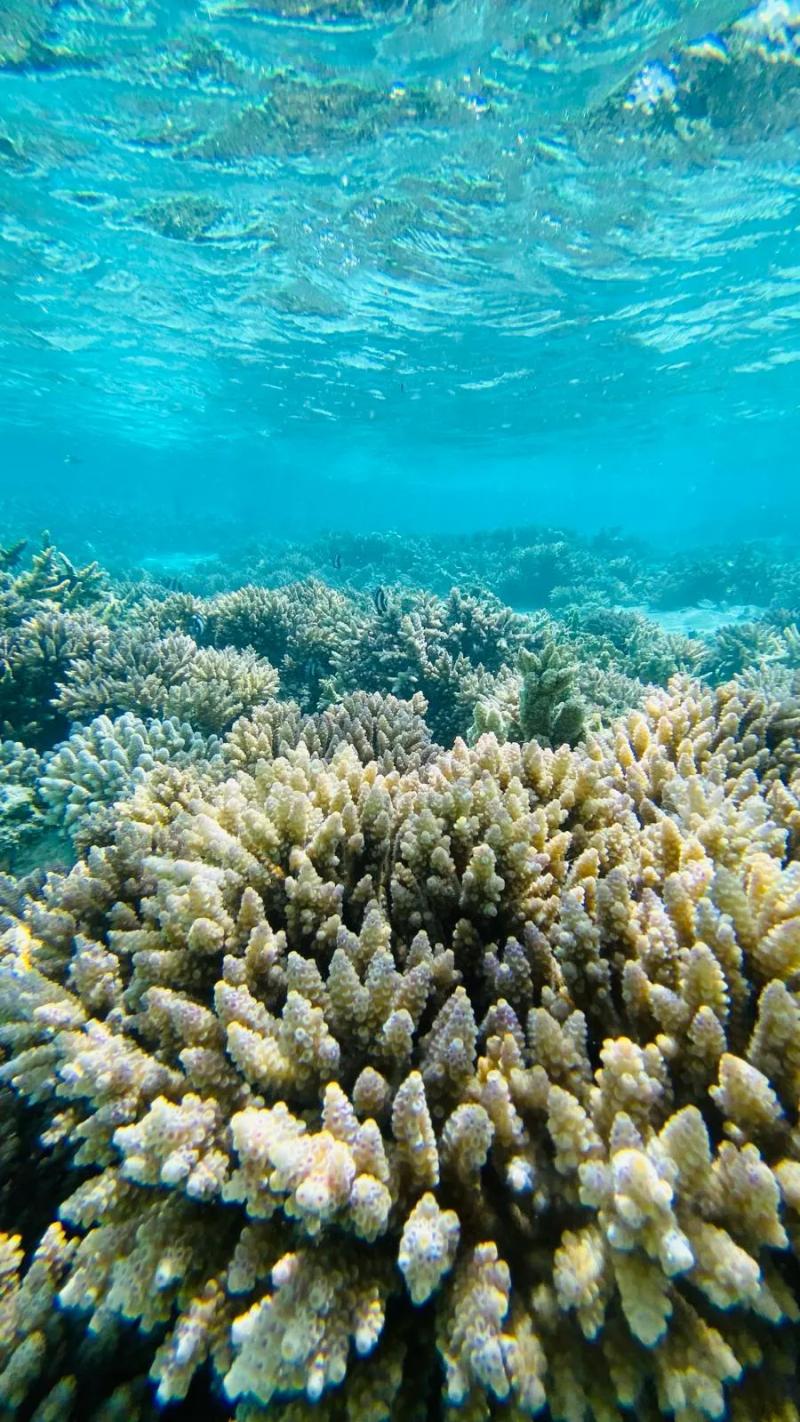
Flic en Flac is one of the most accessible snorkelling spots in Mauritius. The reef is located a short swim from the shore, making it ideal for casual snorkellers.
Why snorkel here:
Easy beach access
Good reef visibility in calm conditions
Ideal for beginners
Early morning offers the best conditions before the wind picks up.
Belle Mare — Calm Lagoon & Hidden Reefs
Belle Mare is known for its long, peaceful beaches and calm lagoon, but it also offers hidden snorkelling spots near reef areas.
Why snorkel here:
Quiet and less crowded
Calm water conditions
Ideal for relaxed snorkelling
It’s perfect for travellers staying on the east coast who want a peaceful snorkelling experience.
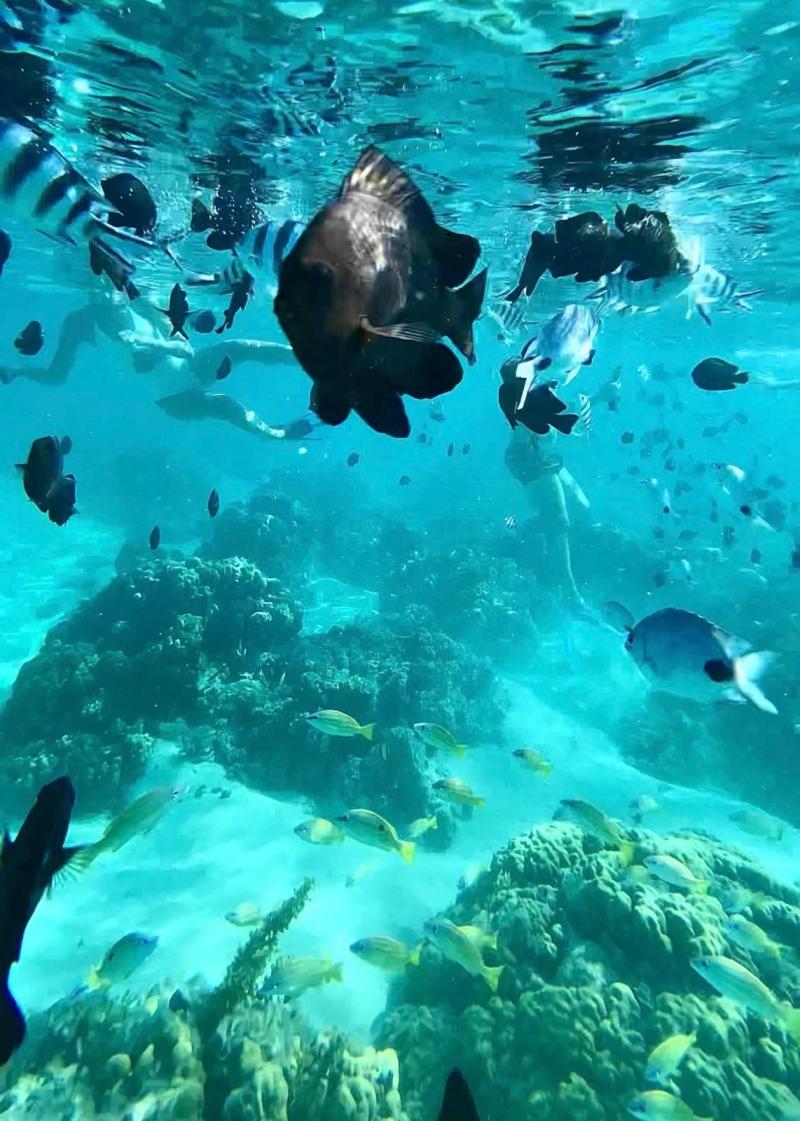
Bel Ombre — Pristine & Underrated
Bel Ombre, located in the south, offers a more untouched snorkelling experience. The lagoon here is less crowded and surrounded by nature.
Why snorkel here:
Quiet and unspoiled
Good marine life
Authentic south coast atmosphere
It’s a great option for travellers looking to avoid busy tourist areas.
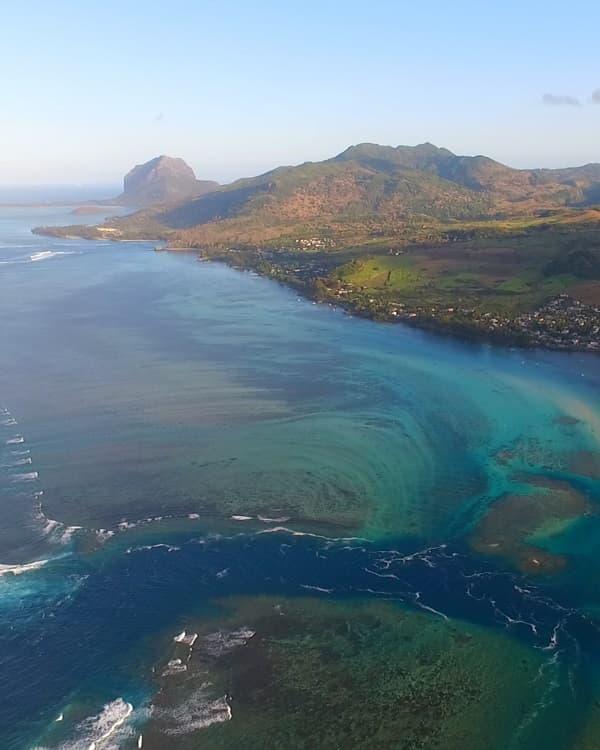
Balaclava Marine Park — Hidden North Coast Gem
Balaclava Marine Park is a lesser-known snorkelling spot on the northwest coast, perfect for travellers looking for quieter reef exploration.
Why snorkel here:
Less crowded than major spots
Good coral formations
Easy access from shore and hotels
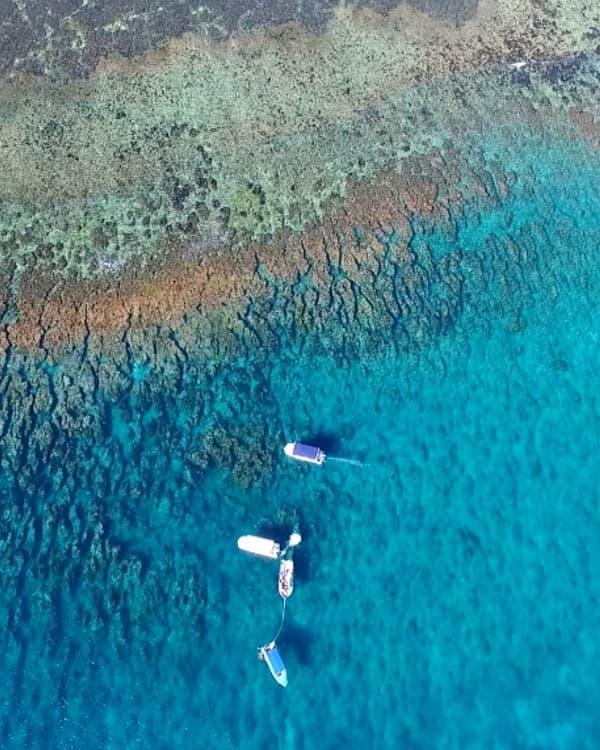
Coin de Mire — Crystal Waters & Marine Life
Coin de Mire, located off the north coast, is one of the most spectacular snorkelling spots in Mauritius. Accessible by boat, this protected area offers incredibly clear water and diverse marine life.
Why snorkel here:
Excellent visibility
Rich fish population
Ideal for guided boat trips
This is one of the best locations for those looking for a premium snorkelling excursion away from crowded lagoons.
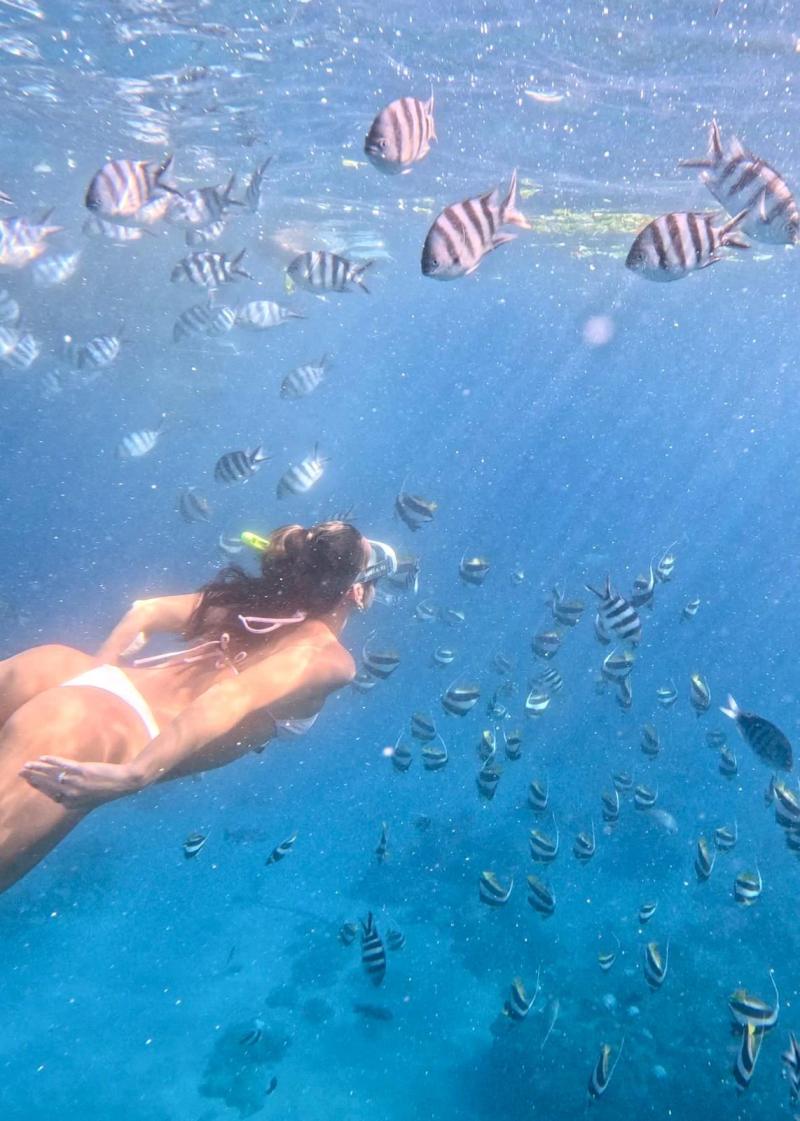
Île Plate — Remote Snorkelling Paradise
Île Plate, located off the north coast, is one of the most exclusive snorkelling spots in Mauritius. Accessible mainly by boat tours, it offers pristine waters and vibrant marine life.
Why snorkel here:
Remote and untouched
Exceptional water clarity
Rich coral ecosystems
This is one of the best options for those seeking a more adventurous snorkelling experience.
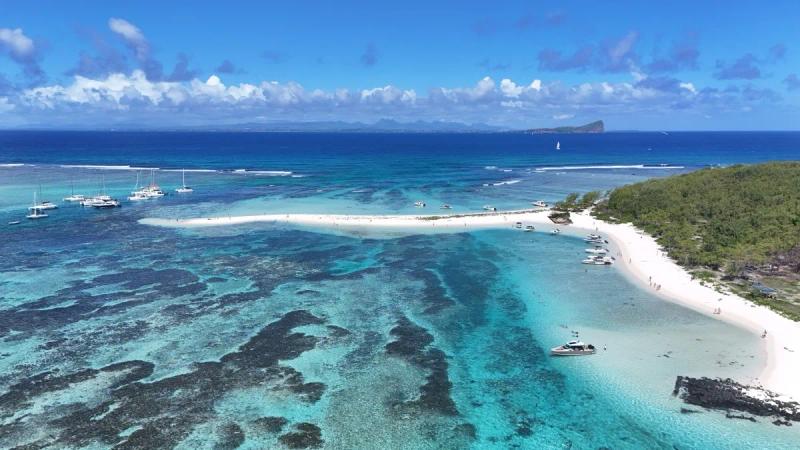
Best Time for Snorkelling in Mauritius
Snorkelling is possible all year round, but the best conditions are typically:
October to April: warmer water and calmer seas
Early morning: best visibility and less wind
Tips for the Best Snorkelling Experience
Always check weather and sea conditions
Use reef-safe sunscreen
Avoid touching coral or marine life
Wear fins for easier movement
Consider guided tours for the best spots
How to Choose the Best Snorkelling Spot for Your Trip
The best snorkelling spot in Mauritius is often the one that fits naturally into the part of the island where you are already staying. Cross-island travel can turn a short swim into a full-day outing, so use your hotel region first and then choose the experience.
·South East: choose Blue Bay Marine Park for the strongest dedicated snorkelling option, or combine the area with Mahébourg and Île aux Aigrettes.
·East: choose Belle Mare for a relaxed beach-based option or Île aux Cerfs when snorkelling is part of a larger lagoon excursion.
· West and South West: Flic en Flac is convenient from shore, while Le Morne and Bel Ombre work well when snorkelling is paired with a beach or scenic day.
· North and North West: Balaclava suits a quieter reef stop, while Coin de Mire and Île Plate are better treated as dedicated boat excursions.
Useful internal planning links: Best Beaches in Mauritius · Best Time to Visit Mauritius · Blue Bay snorkelling activity
Snorkelling in Mauritius for Beginners and Families
Beginners do not need to start with an offshore reef. A shallow lagoon with easy entry, light wind and good visibility is usually a better first experience. Blue Bay and easy-access beach locations such as Flic en Flac are more practical starting points than remote boat-only sites. Children should always be supervised closely in the water, and families should check the day's wind, current and operator rules before entering the lagoon.
A flotation vest can make a first session more comfortable, but it does not replace swimming ability or supervision. On boat excursions, confirm that child-size life jackets are available and ask exactly where the snorkelling stop takes place before booking.
Can You See Sea Turtles While Snorkelling in Mauritius?
Sea turtles are present around Mauritius, but they are wild animals and should never be treated as a guaranteed snorkelling attraction. If you encounter one, keep your distance, avoid touching or chasing it, and allow it to choose its own direction. Travellers specifically researching turtle encounters should use the dedicated MauritiusExplored turtle guide rather than choosing a snorkelling beach solely on the promise of a sighting.
Read: Best Spot to Swim with Sea Turtles in Mauritius.
Marine Life in Mauritius: What You Should Never Touch
Mauritius is home to beautiful marine life, but not everything you encounter while swimming, snorkelling or exploring the lagoons is safe to touch. Some marine creatures have venomous spines or stings, while others are delicate and should be left undisturbed to protect the island's marine ecosystem.
Marine Creatures to Avoid Touching
Lionfish: Easily recognised by their striking striped bodies and long, fan-like fins. Their venomous spines can cause extremely painful stings. Admire them from a safe distance and never attempt to handle them.
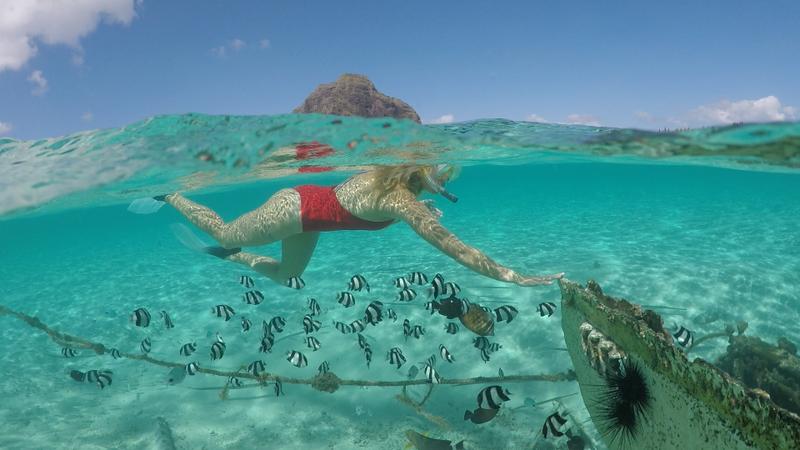
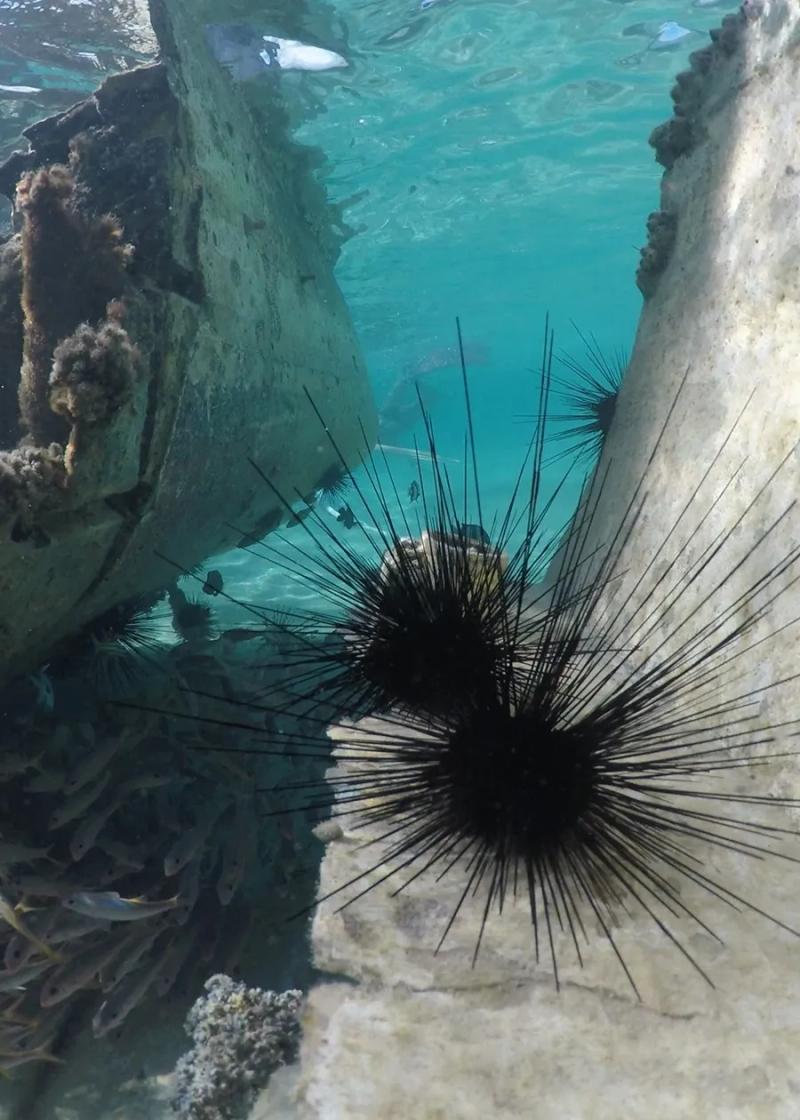
Sea Urchins: Common around rocks, coral formations and shallow lagoon areas. Their sharp spines can penetrate the skin, causing pain, swelling and sometimes infection. Watch where you place your feet and avoid touching them.
Starfish: Although most starfish are harmless to humans, they are delicate marine animals. Never remove them from the water, pick them up for photographs or disturb their natural habitat. Some species, such as crown-of-thorns starfish, also have venomous spines.
Cone Snails (Cone Shells): These small marine snails can have beautifully patterned, cone-shaped shells that may look like harmless souvenirs. However, some species are highly venomous and can deliver a potentially life-threatening sting. Never pick up a cone-shaped shell, even if it appears empty.
What to Do If You Are Stung
If you are stung by a marine creature, leave the water and seek medical assistance. Lionfish and sea urchin injuries may benefit from immersion in comfortably hot water, without risking burns. Do not attempt to remove deeply embedded spines yourself.
A suspected cone snail sting is a medical emergency. Keep the affected person still, apply pressure immobilisation if trained to do so and seek emergency medical assistance immediately.
IN EMERGEBCY CALL 999
Local Tip from Mauritius Explored
Look, photograph and enjoy — but never touch or remove marine life from its natural habitat. When snorkelling or exploring shallow lagoons, keep a safe distance from coral, avoid placing your hands in rock crevices and consider protective water shoes in areas with sea urchins. Remember that protecting marine life is just as important as protecting yourself.
Frequently Asked Questions
What is the best snorkelling spot in Mauritius?
Blue Bay Marine Park, for most visitors. It is a legally protected marine park with about 38 coral species and 72 recorded fish species, shallow water from one metre, and access from the public beach or by glass-bottom boat.
Do you need a boat to snorkel in Mauritius?
No. Flic en Flac, Belle Mare, Bel Ombre, Le Morne, Blue Bay and Balaclava can all be snorkelled from the beach. A boat is only needed for Coin de Mire, Île Plate and Île aux Cerfs.
When is the best time to snorkel in Mauritius?
October to April gives the warmest water and calmest lagoons. October and May are the transition months and often the sweet spot. Go early in the day in any month, before the wind builds.
Is snorkelling in Mauritius safe for beginners?
Yes, in the lagoons. The reef keeps the water inside it shallow and calm, which is why beginners manage easily here. Stay inside the yellow swimming-zone buoys, avoid the reef passes and never snorkel alone.
What fish will I see snorkelling in Mauritius?
Parrotfish, surgeonfish, butterflyfish, damselfish, wrasses, angelfish, goatfish, triggerfish, boxfish and pufferfish are all common. The official Blue Bay survey records 72 fish species across 22 families.
Can you see turtles snorkelling in Mauritius?
Sometimes. The green turtle is officially recorded in Blue Bay Marine Park. Sightings are luck rather than a given, and feeding or harassing a turtle is a criminal offence in Mauritius.
Is there a fee to snorkel at Blue Bay Marine Park?
The regulations set a snorkelling permit charge of Rs 100 per person per day for certain zones, dating from a 2007 amendment. Licensed operators usually handle permits, so confirm at the Blue Bay Marine Park Centre before assuming.
How many marine parks does Mauritius have?
Two: Blue Bay and Balaclava, both declared in 2000. Blue Bay covers 353 hectares and is also a Ramsar wetland site; Balaclava covers 485 hectares on the northwest coast.
Which coast is best for snorkelling in winter?
The north and east. The met service's seasonal outlook names the southern and western shores as the coasts likely to receive high-energy waves in winter, which affects Bel Ombre, Le Morne and Flic en Flac.
Can I take coral or shells home from Mauritius?
Coral, no. Removing coral from Mauritian waters without a permit carries a fine of up to Rs 50,000 and up to two years' imprisonment. Shells are limited to ten uninhabited shells per person per day, outside the protected list.
Do I need to be a strong swimmer to snorkel here?
Not in the lagoons, but you should be comfortable in water out of your depth. Fins help, a buoyancy aid helps more, and the calmest options are Blue Bay, Belle Mare and Balaclava.
Is snorkelling gear provided?
Most hotels lend masks, snorkels and fins to guests, and every boat excursion includes them. Bring your own mask if you wear glasses or have struggled with fit before — it is the one piece worth owning.
Final Thoughts
Mauritius offers some of the most diverse snorkelling experiences in the Indian Ocean. From the protected reefs of Blue Bay Marine Park to the remote beauty of Île Plate, every region has something unique to offer.
Whether you are a beginner or an experienced snorkeller, the island's lagoons, coral reefs, and marine life make it a must-visit destination for underwater exploration.
Explore this topic
Get new Mauritius guides by email
Join the Mauritius Explored list for trip ideas, practical updates and downloadable planning help.

Written by the Mauritius Explored editorial team, a Mauritian travel guide focused on beaches, activities, local places, and practical island planning.
Local Mauritius travel research, itinerary planning, and destination coverage since 2011.