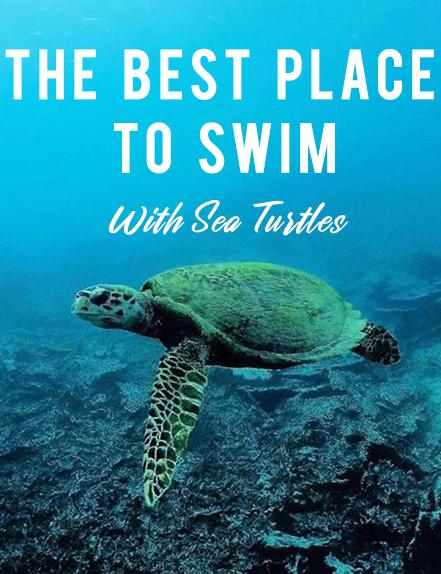
Best Spot to See Our Sea Turtles in Mauritius
Where to See Sea Turtles in Mauritius (2027 Guide): Best Spots & Ethical Tips
Updated 4 October 2026
Dreaming of seeing sea turtles in Mauritius? You’re in the right place. With its warm lagoons, coral reefs, and rich marine life, Mauritius is one of the best destinations in the Indian Ocean to encounter turtles in the wild.
This guide is written from our local knowledge — no hype, just the real spots where turtles are regularly seen, plus tips to keep the experience respectful and unforgettable.
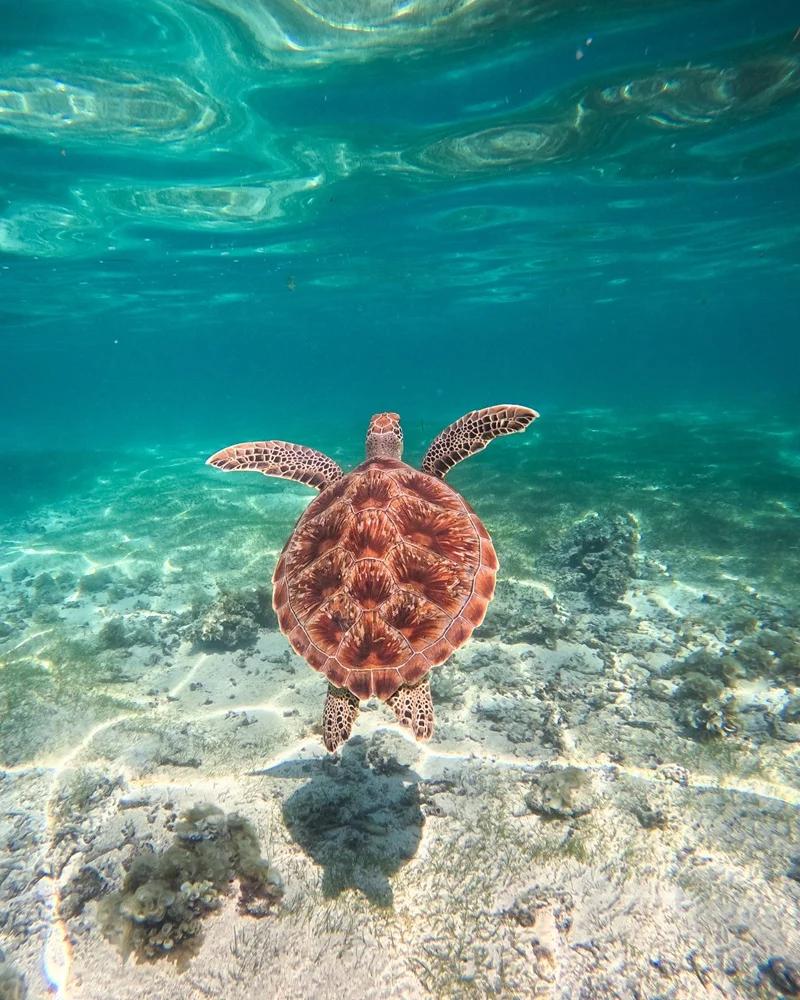
Can You Really Swim with Sea Turtles in Mauritius?
No — but it’s important to understand how it works. There are no guaranteed turtle encounters, as these are wild animals. That said, Mauritius has several reliable locations where turtles are frequently spotted feeding or resting in shallow reefs.
Most sightings happen while snorkeling, especially in calm, clear lagoons.
It’s also essential to follow responsible wildlife practices. It is not allowed to chase, follow, or disturb sea turtles, and you should always keep a safe distance. These animals need space to breathe, feed, and move naturally. The best experiences happen when you remain calm, float quietly, and let the turtles approach on their own. "Recreational swimming with marine turtles is prohibited under section 33(3)(a) of the Fisheries Act 2023, which also covers harassment and intentional feeding. If you meet a turtle while snorkelling, do not chase, follow, touch or feed it. Watch from a distance and let it move freely."
Sea Turtles in Mauritius — Quick Facts
● Is recreational swimming with turtles legal? No. Prohibited by section 33(3)(a) of the Fisheries Act 2023, along with harassment and intentional feeding.
● Main species. Green turtle and hawksbill turtle. These are the only two that occur regularly.
● Are sightings guaranteed? No. No reputable source can promise one, and surveyors working these waters failed to identify the species in more than half their own encounters.
● Can visitors touch or feed turtles? No. Both are covered by the prohibition.
● Where are turtles documented? Trou aux Biches has the highest published density in the country. Blue Bay has an ongoing photo-identification study of resident hawksbills. The northern islands and Black River Bay both appear in published survey work, with caveats.
● Best observation approach. Passive viewing at a distance, from the side rather than above, with no attempt to close the gap.
● Primary habitats. Seagrass beds for green turtles; coral reefs for hawksbills.
● Nesting. Effectively absent from the main island since the 1970s. The Republic's nesting grounds are the outer islands.
● Safety. Stay in designated swimming areas, never snorkel alone, and stay clear of boat lanes and reef passes.
Île Plate — The Best Chance for Turtle Encounters
If there’s one place that consistently delivers turtle sightings, it’s Île Plate in the north of Mauritius. Accessible by boat, this remote island offers crystal-clear water and healthy coral reefs.
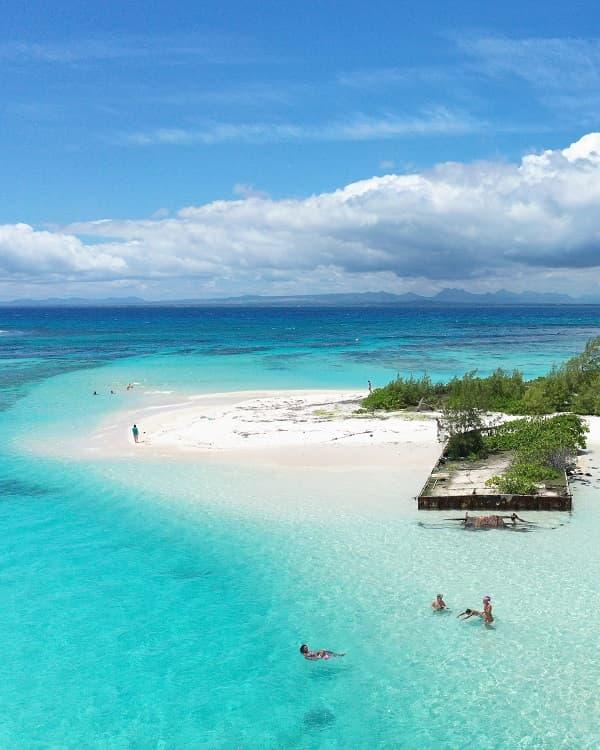
Why it’s one of the best:
Less crowded than mainland beaches
Rich marine ecosystem
Higher chances of spotting turtles
This is the kind of place where you quietly float and suddenly realise a turtle is gliding past you—completely natural, completely magical.
👉 Best experienced via a guided boat excursion
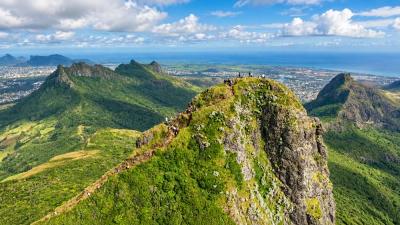
Le Morne Brabant — Turtles with a View
Le Morne is not just one of the most beautiful places in Mauritius—it’s also a great spot for turtle sightings. The lagoon here is shallow, calm, and full of marine life.
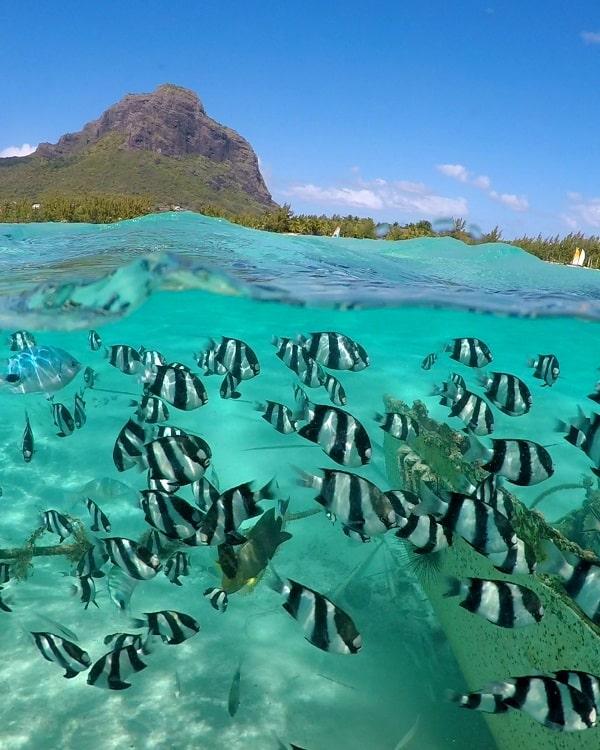
Why snorkel here:
Clear water and reef patches
Frequent turtle sightings near coral areas
Incredible mountain backdrop
Early mornings offer the best conditions, both for visibility and fewer people.
Trou aux Biches — Easy Access from the Beach
Trou aux Biches is a well known Turtle Area, But Not a “Swim With Turtles” Attraction
Why it’s a great option:
Calm lagoon, ideal for beginners
Reef accessible with a short swim
Good visibility in the morning
It’s perfect if you want a relaxed experience without needing a boat trip.
Blue Bay Marine Park — Protected Marine Life
Blue Bay Marine Park is one of the most famous snorkeling spots in Mauritius, and for good reason. While known for its coral gardens, turtles are also spotted here from time to time.
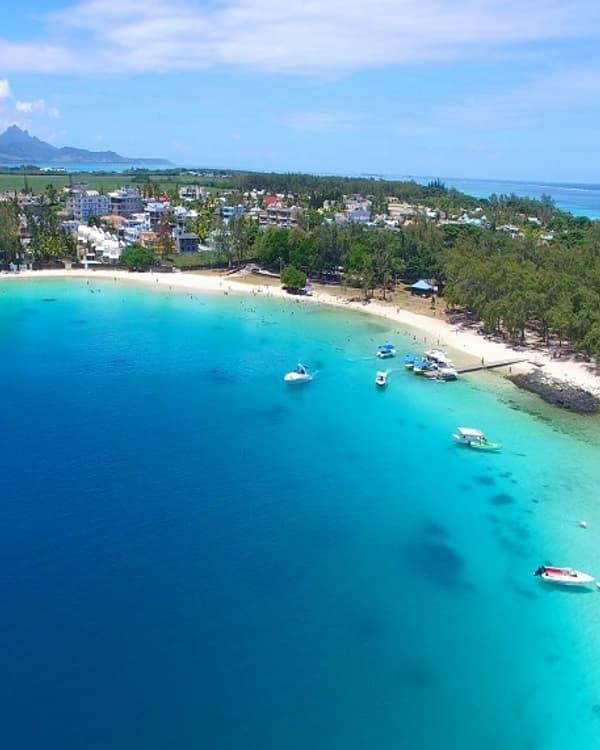
Why visit:
Protected marine environment
Exceptional water clarity
Rich biodiversity
Because it’s a marine reserve, marine life thrives here—including occasional turtle encounters.
👉 Tip: Go early or with a local guide for the best experience
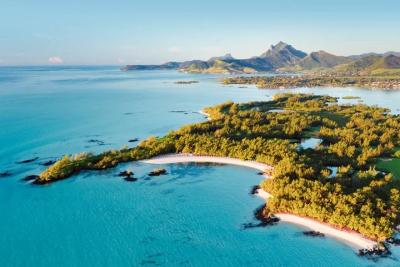
Île aux Cerfs — Combine Relaxation & Snorkeling
Île aux Cerfs is famous for its beaches, but fewer people realise that turtles can be spotted around the reef areas nearby.
Why snorkel here:
Clear lagoon waters
Easy to combine with a day trip
Good snorkeling spots around the island
While not the most consistent turtle location, it’s still a great place to keep an eye out.
Other Places Where Sea Turtles Are Regularly Spotted
Even outside the main hotspots, turtles can be seen in several lagoons across Mauritius.
Belle Mare
Quiet beaches and reef areas make this a peaceful place for spotting turtles.
Turtles are sometimes seen near the reef, especially during calm conditions.
Early morning snorkeling near reef patches can lead to unexpected turtle encounter
Genuine reef and seagrass habitat, inside the broad northwest area the 2017 study surveyed — but no published source gives a turtle figure for either site. Products are sold here on the strength of Balaclava's older name, Baie aux Tortues, Turtle Bay. That name records a time when turtles were commonly found there; it is not evidence about today. Balaclava is one of only two marine parks in Mauritius
What Is the Best Time to See Turtles in Mauritius?
There is no turtle season in Mauritius, and anyone selling you one has invented it. The turtles here are resident foragers rather than seasonal breeders, so they are around all year. The thing that changes with the calendar is not turtle numbers but whether you can see anything.
Water clarity and sea state are what vary. The Mauritian summer, roughly November to April, is hotter and wetter and brings the cyclone season; the winter months bring stronger south-easterly winds that chop up the exposed coasts while leaving others calm. Which coast is comfortable on a given week depends on the wind, and that is a better basis for planning than a mythical turtle calendar. Our best time to visit guide has the month-by-month detail including sea temperatures, and the snorkelling guide covers which sites work in which conditions.
How to Swim with Turtles Responsibly
Swimming with turtles is an incredible experience—but it should always be done with respect.
Golden rules:
Never touch or chase turtles
Keep a safe distance
Avoid blocking their path to the surface
Do not feed them
Use reef-safe sunscreen
Remember, the best encounters happen when you simply float and let nature come to you.
What Species of Sea Turtle Can You See in Mauritius?
Two. The Observatoire de l'Environnement states that "marine turtles such as the hawksbill and green turtle are frequently seen in shallow coastal waters of Mauritius", and adds that "although the population trends of these turtles are unclear, there are concerns about potential declines". The published survey work agrees: a 2017 study in the Marine Turtle Newsletter opens by noting that "two species of sea turtle are regularly seen off the coast of Mauritius".
A single stranded loggerhead has been recorded on the south-east coast, described in the literature as a first encounter. Leatherback and loggerhead appear on Mauritius's international treaty listings, but those are schedules of species covered by an agreement, not records of animals seen here. Treat Mauritius as a two-species destination.
Conservation status, and a correction worth making
Most travel writing about Mauritius calls both turtles endangered. That is now out of date for one of them.
● Green turtle (Chelonia mydas) — Least Concern, reassessed in the October 2025 Red List update. The IUCN announcement reports that "the global population of green turtles has increased approximately 28% since the 1970s, despite ongoing threats to some subpopulations". The south-west Indian Ocean subpopulation, the one that includes Mauritius, is also assessed as Least Concern.
● Hawksbill turtle (Eretmochelys imbricata) — Critically Endangered. That assessment dates from 2008 and there are no subpopulation assessments at all, so there is no regional figure for the Indian Ocean.
The practical consequence is the opposite of what most articles imply. In Mauritian water, the species of real conservation concern is the hawksbill — the reef turtle, the smaller one with the pointed beak — not the green turtle grazing on the seagrass.
Green Turtle vs Hawksbill Turtle
A note before the details: counting the costal scutes, the large plates running down each side of the shell, will not tell these two apart. Both species have four pairs. That count separates green and hawksbill from loggerheads and ridleys, which have five or more, and it is widely misquoted as the diagnostic between the two. The features that actually work are the scales on the face and whether the shell plates overlap.
Green turtle
● Face. One pair of prefrontal scales between the eyes; head rounded and comparatively small, with a blunt, serrated jaw.
● Shell. Plates sit flush, not overlapping. Rear margin smooth.
● Size. Straight carapace length to about 120 cm, and to roughly 230 kg in the Atlantic and western Pacific.
● Colour and diet. Dark brown, grey or olive above; juveniles show dappled patterns NOAA warns are confused with hawksbill. Largely herbivorous as adults — seagrass and algae, the only sea turtle that is.
Hawksbill turtle
● Face. Two pairs of prefrontal scales; narrow head with a straight, bird-like beak and a distinct overbite.
● Shell. Thick overlapping plates, like roof tiles, and a serrated rear margin — the most reliable field mark.
● Size. Straight carapace length to about 90 cm, and to about 80 kg, averaging nearer 60.
● Colour and diet. Mottled amber, orange, red, yellow, brown and black. Reef-associated, taking sponges and other sessile invertebrates; sponge specialisation is best documented in the Caribbean, and the western Indian Ocean diet appears more varied.
Final Thoughts
Swimming with sea turtles in Mauritius is one of those moments that stays with you forever. Whether it’s in the clear waters of Île Plate, the iconic lagoon of Le Morne Brabant, or the calm reef at Trou aux Biches, every encounter feels special.
There are no guarantees—but that’s what makes it real. And when it happens, it’s pure magic.
Explore this topic
Get new Mauritius guides by email
Join the Mauritius Explored list for trip ideas, practical updates and downloadable planning help.

Written by the Mauritius Explored editorial team, a Mauritian travel guide focused on beaches, activities, local places, and practical island planning.
Local Mauritius travel research, itinerary planning, and destination coverage since 2011.