Protected Endemic Sanctuaries of Mauritius: Reserves, Access & Wildlife
Protected Endemic Sanctuaries in Mauritius: Where the Original Island Survives
Last updated: 4 October 2026.
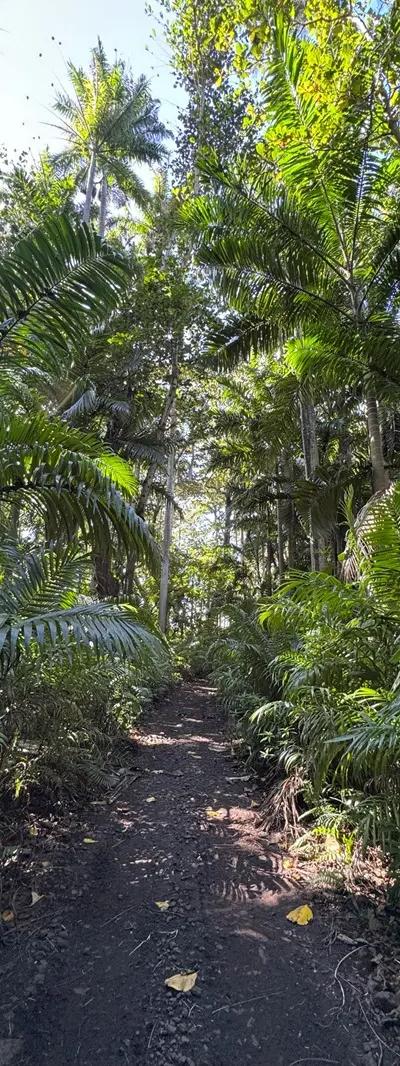
Walk into the Macchabée forest above Pétrin and you are standing in something close to a museum piece. The trees around you — bois de natte, ebony, tambalacoque — are what covered this island from the central plateau down to the sea before 1598. Published estimates of how much of that forest is left in good condition range from under two per cent to five per cent depending on who is counting and how strictly they define quality. Either way, what you are looking at is a fragment.
That is the real story of protected nature in Mauritius. Not a wilderness, but a set of surviving pieces — a gorge, a dry coastal islet, a wetland behind an industrial estate, a restored valley, a mountain slope too steep to clear — held together by fences, traps, nurseries and a very small number of people. Several of those pieces hold birds, reptiles and plants that exist nowhere else on Earth, some of them in populations you could count in a morning.

This guide covers where those fragments are, what legal protection each actually has, which you can visit and on what terms. For a general round-up of the island's parks and reserves as places to spend a day, our nature reserves and parks guide does that job; this page is about the conservation network itself.
What Are Protected Endemic Sanctuaries in Mauritius?
"Protected Endemic Sanctuaries", or PES, is the name of a government conservation programme — not a legal category. It was coined for a Global Environment Facility and UNDP-funded project to expand Mauritius's protected areas, and it covers around eight to ten sites holding native and restored forest. The sites themselves hold very different legal designations: two national parks, several nature reserves, three Ramsar wetlands, a botanic garden, a statutory endemic garden and three private reserves. Most are visitable; two are closed to the public entirely.
First, a Correction That Changes How You Read Everything Else
If you search for "Protected Endemic Sanctuaries Mauritius" you will find the phrase treated as though it were a protected-area class, like a national park. It is not, and the government's own documents are clearer about this than the travel writing is.
The phrase originates in a National Parks and Conservation Service publication called Rays of Hope, dated October 2015, which says the project "is expanding Mauritius's protected areas through a series of 'Protected Endemic Sanctuaries' (PES) – homes to plants and animals found nowhere else on Earth". Note that the document puts the phrase in quotation marks itself — it is coining a term, not citing a statute. The government's PES microsite defines them descriptively as "both the remaining zones of native biodiversity and restored forests that provide a home for native plants and animals". Rays of Hope · PES site
No Mauritian statute, proclamation or regulation creates a "Protected Endemic Sanctuary". It is a programme label, and the list of sites it covers mixes a national park, a nature reserve, a state botanic garden and private commercial attractions under one informal heading. That matters practically: the legal protection, the managing body, the fee and your right of access are completely different from one to the next.
Two more things worth knowing before you plan a trip around that 2015 list. First, it contains ten rows, not nine, and one of them — Ebony Forest — was marked "Not yet open to Public" at the time; it has since opened. Second, the government's own PES website carries a 2016 copyright line and publishes no fees or hours at all, only telephone numbers, several of which have since been superseded. Treat every fee, phone number and opening status in that material as eleven years old. This page uses it only for what the programme is, and goes to each site's current manager for everything else.
The Designations That Actually Exist, and Why You Should Care
Mauritius protects land under several different laws, administered by different bodies. Knowing which applies tells you whether you can simply walk in, whether you need to telephone first, and who to ask.
• National Park. Declared by Proclamation over State land under the Native Terrestrial Biodiversity and National Parks Act 2015, managed by the National Parks and Conservation Service. There are two terrestrial national parks — Black River Gorges and Bras d'Eau — plus eight Islet National Parks proclaimed in June 2004 covering 134.38 hectares between them. NPCS · the Act
• Nature Reserve. A different statute entirely: the Forests and Reserves Act 1983, administered by the Forestry Service, which lists reserves in a schedule. Le Pouce (68.80 ha), Corps de Garde (90.33 ha), Île aux Aigrettes and Île Ronde are all nature reserves under this Act, not national parks. The same Act lets an officer restrict access by displayed sign, and entering against such a sign is prohibited — so obey posted signage in reserves rather than assuming open access. the Act
• Mountain Reserve and River Reserve. Also under the 1983 Act, covering ridgelines and watercourse margins. Around 3,800 hectares of mountain reserve and 2,740 hectares of river reserve. The Bambous and Créole Ranges are mountain reserve; so is the range Le Morne Brabant sits in.
• Ramsar site. International designation under the Convention on Wetlands. Mauritius has three: Rivulet Terre Rouge Estuary Bird Sanctuary (site 1094), Blue Bay Marine Park (site 1744) and Pointe d'Esny Wetland (site 1988). A Ramsar listing is a commitment, not a visitor permit. Ramsar 1094 · 1744 · 1988
• Marine Park. Under fisheries legislation, administered by the Marine Conservation Division, with activities zoned and regulated by law. Two marine parks: Blue Bay (353 ha) and Balaclava (485 ha), within eighteen marine protected areas totalling around 13,953 hectares. Marine Conservation Division/Marine%20Conservation%20Division/Marine-Conservation-Division.aspx)
• Statutory trust or foundation land. Not a protected area at all, but state land run by its own body under its own Act — the Sir Seewoosagur Ramgoolam Botanic Garden Trust, and the Vallée d'Osterlog Endemic Garden Foundation, established by an Act of 2007.
• Private conservation land. No statutory protected-area designation whatsoever. The national protected-area strategy describes these as "privately-owned lands under active conservation". Vallée de Ferney, Ebony Forest and the Chamouny valley park are all in this class. They do real conservation work; they are not legally protected areas. Protected Area Network Expansion Strategy
• World Heritage Site. Le Morne Cultural Landscape, inscribed in July 2008, protected under heritage law through the Le Morne Heritage Trust Fund — a cultural designation, not a nature reserve, even though the mountain holds endemic plants.
One footnote for anyone checking sources: NPCS's own pages still cite the Wildlife and National Parks Act 1993 for the proclamation of both national parks. That Act was repealed by the 2015 Act. The accurate phrasing is that the parks were proclaimed under the 1993 Act and are now governed by the 2015 one.
The scale is worth stating plainly. Government figures put the terrestrial protected area network at 20 formal state protected areas covering 8,027 hectares, and the national strategy notes that national parks, nature reserves and Ramsar sites together "cover just over 4% of the country", with a proposal to reach about sixteen per cent. The national biodiversity plan is candid that the network "in its present form is not representative of all habitat types in Mauritius and does not adequately protect all species". Government of Mauritius · NBSAP
Why Mauritius Is Biologically Exceptional, and Why It Is Fragile
An island this isolated grows its own species. Mauritius sat alone in the Indian Ocean long enough that much of what evolved here evolved nowhere else — and then lost most of it in under four centuries to clearance for sugar, and to the rats, cats, monkeys, mongooses, deer and pigs that arrived with people.
Published figures on how much native forest survives vary, and the variation is itself informative. The national biodiversity plan says "less than 2% of the native forest that once stretched from the mountain tops of the central plateau to the shore now remains". The NPCS flora unit says "good quality native forests occupy less than 2.0% of our total area". A peer-reviewed study puts it at "only 5% of Mauritius retains remnants of native vegetation", with under a third of that in high quality. Taken together: roughly five per cent has native vegetation of some sort, and about two per cent is in genuinely good condition. Monty, Florens and Baider, 2013
Invasive species are the live problem rather than a historical one. The NPCS counts "at least 21 introduced species of mammals, reptiles and molluscs" as invasive in Mauritius. The same peer-reviewed study notes that alien plants are weeded over "merely 1%" of the remaining native vegetation — which is why the restored plots described later in this guide matter so much more than their size suggests.
The Main Sites: What Each One Is, and How to Visit
Ten sites make up the official public list. They are ordered here by region rather than by the 2015 table, and each entry states its legal designation, its managing body and what is actually published about visiting.
Black River Gorges National Park
The largest protected area on the island and the core of what survives. Proclaimed in June 1994, 6,574 hectares, managed by the National Parks and Conservation Service. This is where the mainland populations of the kestrel, pink pigeon and echo parakeet live.
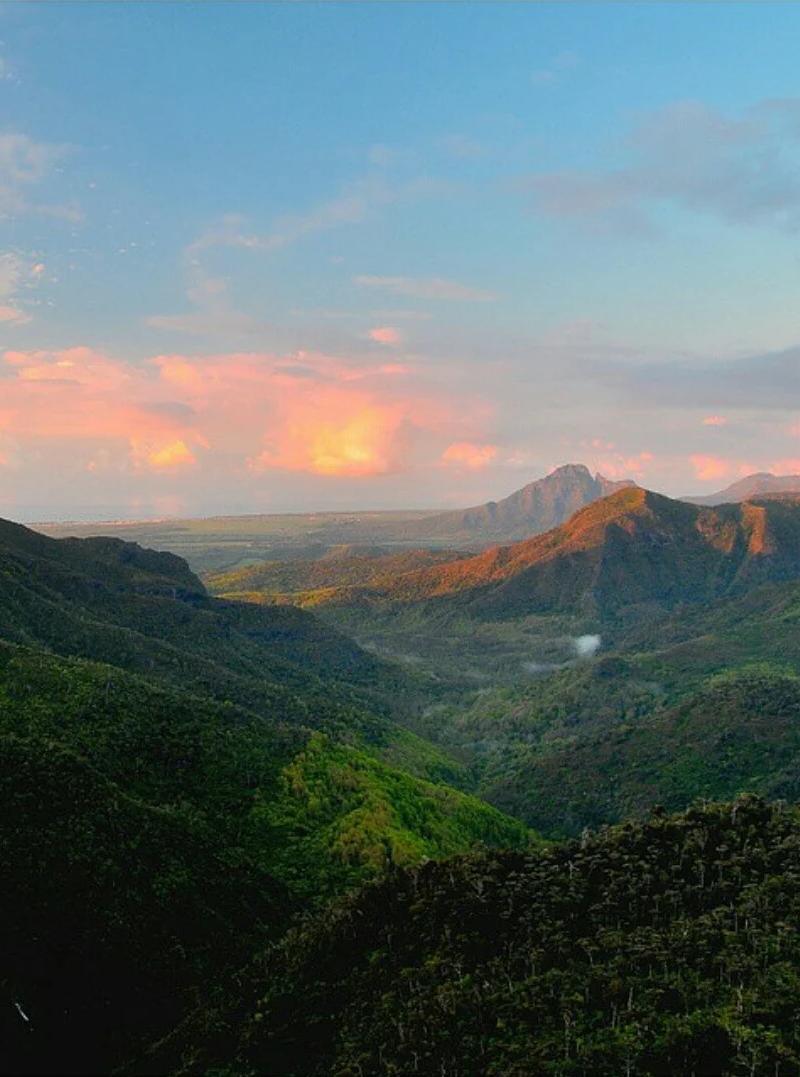
Black River is know to have 60 km of trails and eight of them with grades: Machabee Forest Loop (14 km return, moderate), Machabee Trail (10 km, strenuous), Mare Longue Loop (12 km return, moderate), Parakeet Trail (8 km, strenuous), Black River Peak Trail (9 km return, moderate), Paille en Queue Trail (3 km, moderate), Savanne Trail (6 km return, easy) and Cascade des Gallets Trail (3 km return, strenuous). That trail list is the single most useful official dataset for the park. NPCS trails
• Designation: National Park. Managed by: NPCS. Visitor centre: Pétrin, on +230 464 4053.
• Fee and hours: not published by NPCS. Entry is widely reported as free and the park is widely reported as open daily, but we could not confirm either from an official source, so neither is stated here as fact.
• The best guided option is run by the Mauritian Wildlife Foundation, not the park: a ranger-led Pétrin hike, published as Monday to Saturday with a 07:30 departure, price "on demand". Booking through MWF. MWF Pétrin
• One part is closed. MWF's predator-managed "mainland island" at Brise Fer — a 9.75-hectare fenced and trapped block that holds the mainland olive white-eyes — is closed to the public. Do not go looking for it.
• Nearby: Pétrin forest and our hiking guide for routes.
Distinctive fact: inside the park sits a network of thirteen Conservation Management Areas — fenced, intensively weeded plots covering around 85 hectares — which is where most native-forest recovery on the Mauritian mainland actually happens. More on how they work below. Black River Gorges
Bras d'Eau National Park
Mauritius's second terrestrial national park, proclaimed on 25 October 2011, 497.2 hectares in the north-east, managed by NPCS. It is mostly plantation — mahogany, araucaria, tecoma, eucalyptus — with patches of native vegetation, which makes it an honest example of what restoration starts from rather than what it aims at.
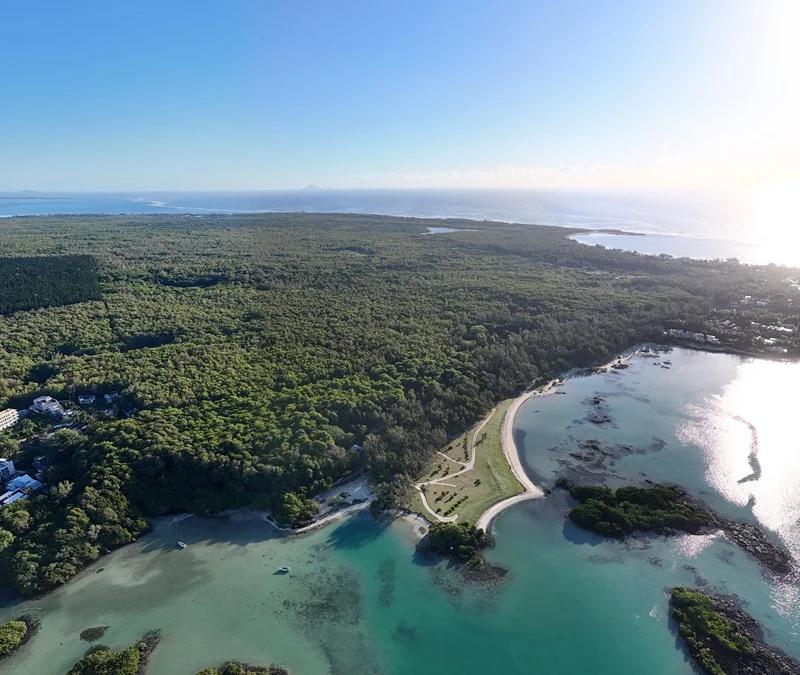
The park comprises two reserves: Bras d'Eau and Mare Sarcelle, a coastal wetland good for waders.
• Designation: National Park. Managed by: NPCS, on +230 410 0413.
• Fee and hours: not published. No official source states a fee, so this guide does not call it free.
• Trails: NPCS publishes two — the Coq des Bois Trail, 5 km return from the visitor centre and graded fairly easy, plus a loop extension. A separate trail runs to Mare Sarcelle. There is a visitor centre.
• Published rules: photography allowed, picnic areas provided; no picking flowers or fruit, no pets, no fires, no loud music.
• Best for: birdwatching, especially the Mauritius paradise flycatcher, and a quiet half-day. Nearby: east coast guide · Bras d'Eau
Distinctive fact: this is the only national park in Mauritius created substantially out of timber plantation, and the only one that includes a Ramsar-adjacent coastal wetland within its boundary.
Rivulet Terre Rouge Estuary Bird Sanctuary
Mauritius's first Ramsar site, designated in 2001, 26.4 hectares of estuary just outside Port Louis, managed by NPCS. It is internationally important for migratory waders — the Ramsar listing cites fourteen regularly visiting species — and it sits in an unglamorous industrial setting, which is part of why almost nobody goes.
• Designation: Ramsar site 1094, held as a reserve. Managed by: NPCS, on +230 217 2886.
• Access: telephone first. The official instruction is to contact NPCS to arrange a visit. No permit procedure is published anywhere — no form, no fee, no processing time — so do not expect a formal permit, and do not assume you can simply turn up. Visitors do in practice reach the estuary via the site office.
• Fee, hours, guide: not published.
• Best for: serious birdwatchers, between roughly October and April when migratory waders are present. Never guaranteed — these are wild migrants.
Distinctive fact: the Ramsar information sheet for this site was last updated in 2007 and refers to a visitor centre "being established". Nineteen years on, that is the most recent official description of visitor facilities in existence.
Sir Seewoosagur Ramgoolam Botanic Garden, Pamplemousses
The best-documented site on the entire list, and the one most often misdescribed. It is not a protected area — it is a historic botanic garden of around 33 hectares run by its own statutory trust, and its famous collections are largely introduced rather than endemic.
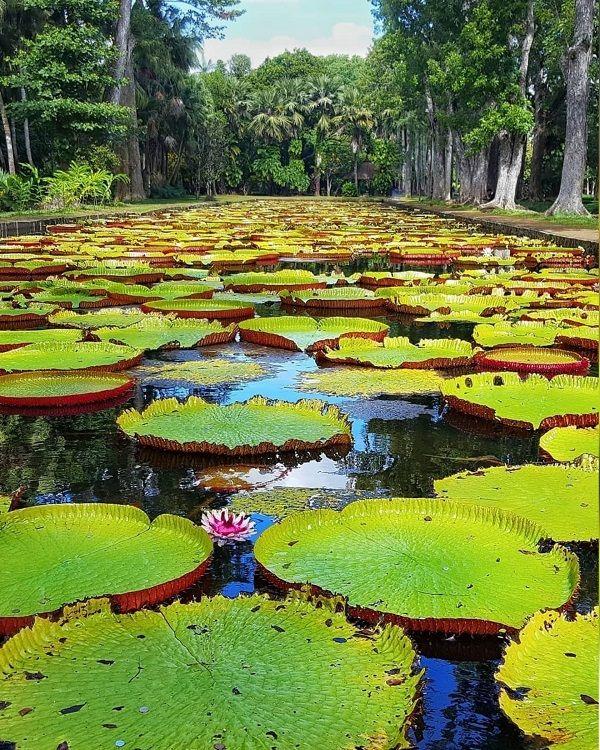
Visit it for the giant water lilies, the palm avenues and 300 years of botanical history, not to see Mauritian endemics in habitat.
• Designation: statutory trust garden. Managed by: the SSR Botanic Garden Trust.
• Hours: "Monday to Sunday (including public holidays) 08.30 hrs to 17.30 hrs".
• Fees: Mauritian citizens aged 5 to 59, Rs 25, with under-5s, over-60s and disabled visitors free; non-citizens aged 5 and over without a residence permit, Rs 300, with residence-permit holders at Rs 25. Entry is free on Sundays and public holidays for Mauritians only.
• Guides are optional, not compulsory, at published rates from Rs 50 to Rs 100 per person depending on group size, paid directly to the guide. Hours and fees · Guide service
• Nearby: north Mauritius guide · Pamplemousses
Mon Vert Nature Reserve, Forest Side
A forest reserve of around 73 hectares above Curepipe, managed by the Forestry Service, with an interpretation centre, a fernery and an arboretum holding "more than 150 indigenous/endemic plant species". Two trails are published in the Forestry Service's own brochure: the Parcours Bois de Natte at 2.8 km and the Parcours Bois d'Ébène at 2.5 km. Monvert brochure
Be realistic about this one. Neither the Forestry Service nor any other body publishes a fee, opening hours or current status. The Forestry Service lists Monvert as one of three nature walks it manages, alongside Sophie and Powder Mills, but the most recent visitor figure it publishes is from 2018. Independent evidence of visits effectively stops in 2017. Telephone the Forestry Service on +230 670 7354 or 670 7355 before going, and expect a rough access road. Our off-the-beaten-path guide covers it as a discovery.
Île aux Aigrettes
The single best place in Mauritius to see endemic wildlife, and the clearest demonstration of what restoration achieves. A nature reserve since 1965 under the Forests and Reserves Act, around 26 hectares of coral-limestone island about 850 m off the south-east coast in Mahébourg Bay, managed day to day by the Mauritian Wildlife Foundation.
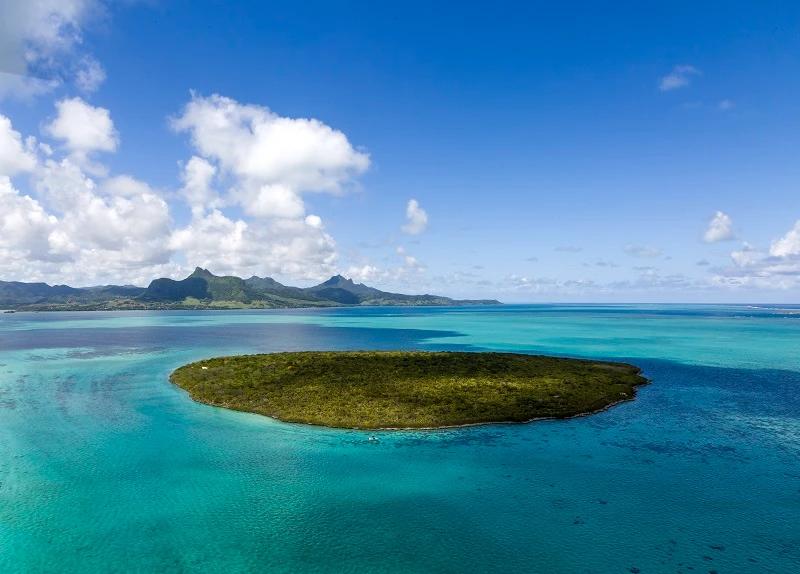
It holds the last significant stand of Mauritian dry coastal forest.
• Designation: Nature Reserve. Managed by: MWF, on state land.
• Access: guided ecotour only. There is no self-guided option. The standard tour is "a guided trail around the sites of interest on the island, lasting approx. 1.5 to 2 hours, with a short boat trip to and from the island". Tailored photography and birdwatching tours can be booked in advance.
• Fees published by MWF: non-resident adult MUR 1000, child 4 to 11 MUR 500, under-3s free; Mauritian resident adult MUR 350, child MUR 175. Beware third-party resellers advertising much lower promotional rates as though they were the official fee.
• Departure: Pointe Jérôme, Mahébourg, where MWF's booking office is. Book ahead on +230 631 2396, +230 5258 8139 by WhatsApp, or reservation@mauritian-wildlife.org. MWF does not publish departure times on its own site — confirm when you book. Île aux Aigrettes · MWF fees
• What you may see: pink pigeon, Mauritius fody, Mauritius olive white-eye, Telfair's skink, ornate day gecko, and Aldabra giant tortoises. Nearby: Mahébourg · Île aux Aigrettes
Distinctive fact, and the honest version of it: the olive white-eyes and fodies you can see here are insurance populations, and both are currently shrinking. MWF's most recent reporting puts the island's olive white-eyes at 38 birds and declining, against a peak of 60 in 2016, and its fodies at 183, down from over 400 around 2018 — while mainland fody ringing totals are at record highs. The island population is not the success story; it is the backup.
Vallée de Ferney
A private conservation site in the south-east, not a statutory nature reserve despite the 2015 list calling it one. The domain spans 3,100 hectares within the CIEL group orbit, with conservation run through a trust established in 2007 working closely with MWF. Echo parakeets were released here between 2015 and 2017.
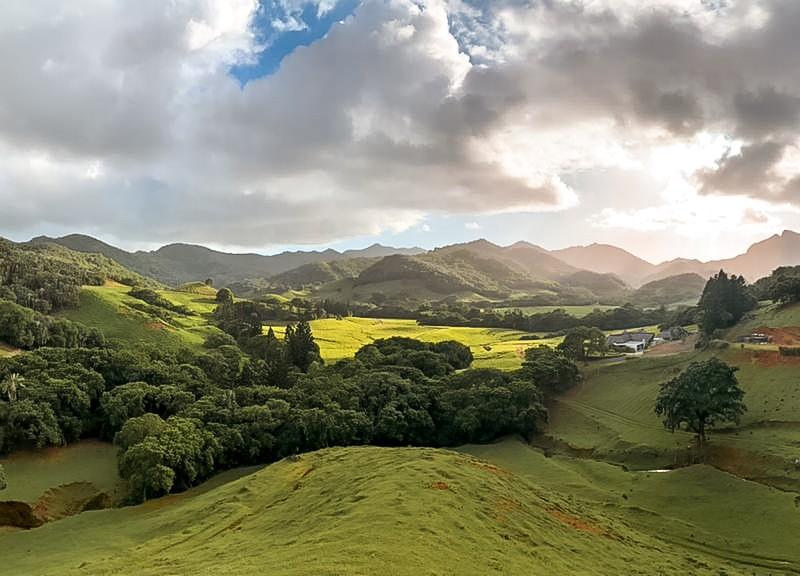
Three corrections to older write-ups. The guided walk is not compulsory — self-guided trails are a separate, cheaper product. There is no aviary published at Ferney any more; the pink pigeon aviary is at Osterlog. And La Falaise Rouge restaurant is published as temporarily closed, with dining instead at Ferney Nature Lodge.
• Hours: "open 7 days a week, from 8:30a.m. to 2p.m for activities".
• Self-guided trails: residents Rs 250 adult and Rs 100 child, tourists Rs 500 adult and Rs 250 child, on four graded routes — 5 km easy, 8 km easy, 13 km medium and 18 km difficult, with published latest start times from 14:00 down to 10:30 for the longest. Hiking trails
• Guided nature tour: 09:00 and 13:30, two hours over about 3 km, difficulty 3 out of 5; residents Rs 550 adult, tourists Rs 1150 adult. Booking mandatory, minimum two participants. Guided tours
• Also published: 4x4 safari, wildlife dusk safari, and lodge accommodation. Booking on +230 660 1937 or lvdf@ferney.mu.
• Nearby: south Mauritius guide · east coast guide
Ebony Forest, Chamarel
A private non-profit restoration reserve in the south-west — arguably the most impressive private conservation project on the island, and the one that most repays a half day. It replants native forest, runs a nursery, keeps a natural-history museum, and has taken echo parakeet and kestrel releases.
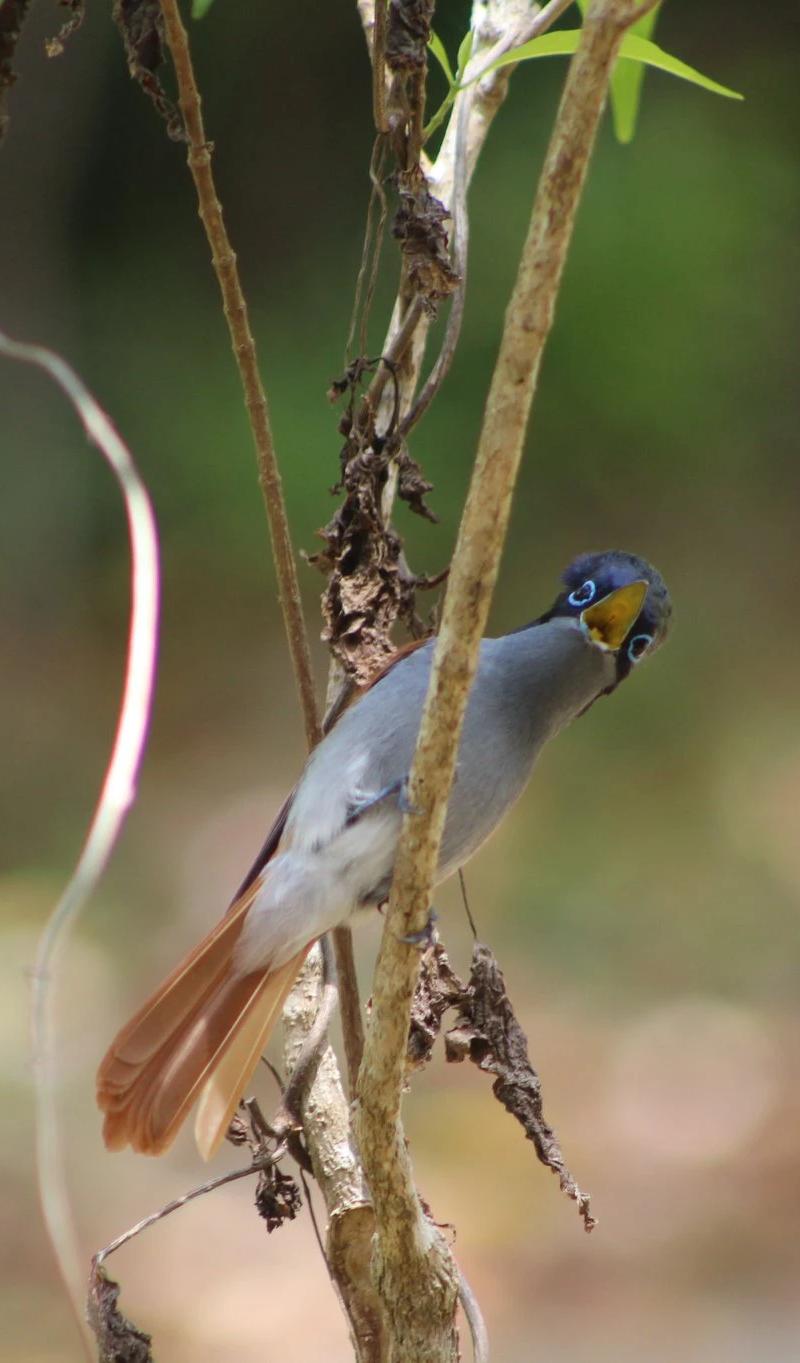
A pricing warning, because this will catch you out. Ebony Forest publishes two different price sets on its own website: a summary table and the individual activity pages, with the individual pages consistently higher. The figures below are from the individual pages, which appear to be current, and all carry a published ten per cent discount for booking online. Price-check by phone before relying on either set. Visit page · Contact
• Hours: "09:00 – 17.00 daily", on +230 460 3030.
• Green Loop — 25 minutes, non-resident adult Rs 300, resident Rs 250. Museum, nursery, no walkway. Booking not necessary.
• Take a Hike — self-guided trails from 2.3 km to 6.1 km, graded easy, including the 300 m raised walkway through old ebony forest; non-resident adult Rs 600, resident Rs 400. Booking not necessary.
• Take a Drive — 4x4 tour at 09:30, 11:30, 13:30 and 15:30, about two hours, including the Flycatcher raised walkway (113 steps up, 142 down) and Sublime Point; non-resident adult Rs 1,600, resident Rs 1,050. Advance online booking required.
• Love Tree — the premium option, about two hours, non-resident adult Rs 2,500, minimum two adults.
• Accessibility: the visitor centre, shop, museum and toilets are published as accessible to wheelchair and pushchair users; the raised walkways and hiking trails are not, because of the slope. Vertigo sufferers should tell staff — an alternative descent on the 2.1 km Ridgeline Trail is published.
• Nearby: Chamarel · Le Morne and Chamarel · Ebony Forest
Distinctive fact: Ebony Forest took 50 echo parakeets in two translocations in 2018 and 2019 and a further 51 birds between 2021 and 2023, making a private reserve one of the main release sites for a species that was down to roughly twenty wild birds in the mid-1970s.
La Vallée des 23 Couleurs, Chamouny
Now trading as VALLÉ Advenature Park — same site in the deep south, new brand, so older references to "La Vallée des Couleurs" point here. It is private land with no statutory protected-area designation, and it is best understood as an adventure park with conservation elements rather than a reserve: twenty-three-hue coloured earth, waterfalls, endemic trees and animals, alongside ziplines, quad bikes and a luge.
• Hours: "Monday to Sunday 9:00AM to 5:30PM", on +230 660 44 77. Contact
• Entrance: residents Rs 400 adult and Rs 275 for ages 6 to 11; non-residents Rs 550 adult and Rs 325 for ages 6 to 11; ages 1 to 5 free. Tickets
• Read this before you go: admission is a gate fee, not an all-inclusive. Activities are charged separately and costs stack quickly — visitors in 2026 report well over Rs 3,000 for a family once activities are added. No guide is included with general admission.
• Some activities carry age, height and weight requirements, which the operator publishes only in a linked specification document rather than on the ticket page. Check before booking if that matters.
• Nearby: south Mauritius guide
Vallée d'Osterlog Endemic Garden
Everything about this site changed in 2025 and 2026, and most published descriptions are now wrong. It is 275 hectares of sub-humid mountain forest in the south-east, between Mountain Lagrave and Mountain Laselle, established under the Vallée d'Osterlog Endemic Garden Foundation Act 2007.
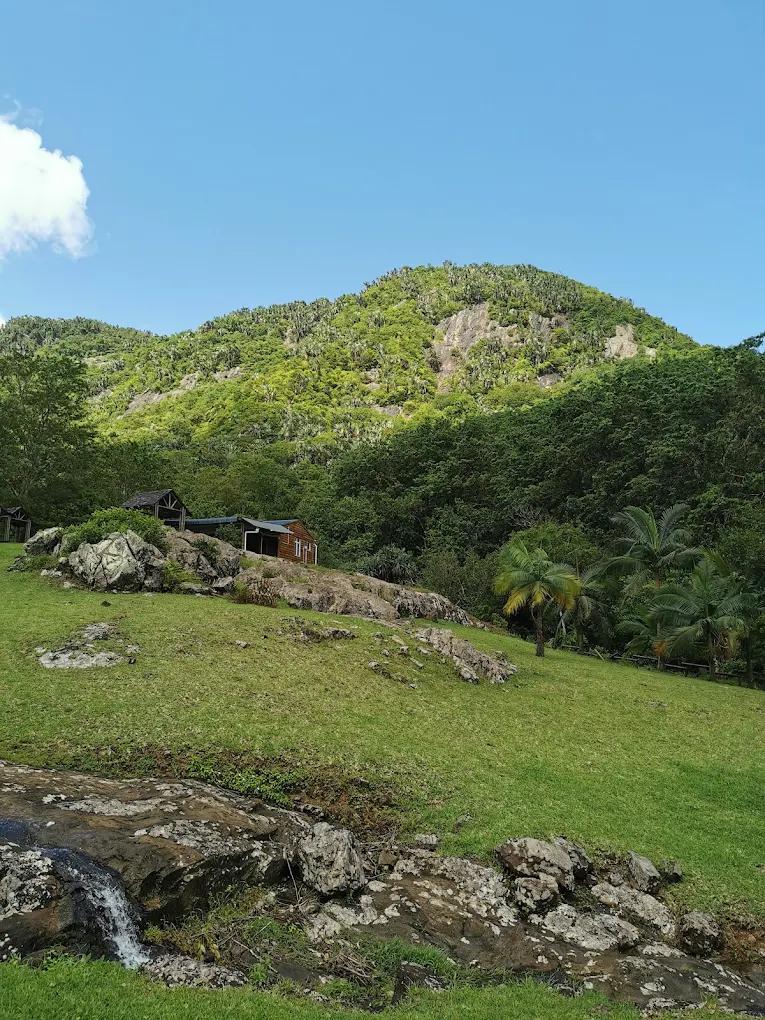
Management transferred to the National Parks and Conservation Service in mid-2025 and the garden reopened to the public on 4 February 2026, with Mauritian press reporting that access is now free. Two trails are published: the Cascade Tortue Loop at 1.6 km and the Tambalacoque Trail at 2.5 km. There is a field gene bank of forest plants and an aviary holding pink pigeons.
• Designation: statutory foundation land, now NPCS-managed. Fee: free, as reported at the February 2026 reopening.
• Hours conflict, so telephone. The garden's own site says "9 - 16 hrs Everyday, Including Sundays & Public Holidays"; press coverage of the reopening says it is open until 18:00. The site's own pages were not fully updated at reopening. Garden +230 5471 7890, head office +230 670 9882. Osterlog
• Two older restrictions are now legacy, not current. An older page still carries a registration form and a note that "the excursion is not suitable for pregnant women and children under 5 years old". Both attach to the previous guided-trek product and are not repeated in the reopening coverage. Do not assume you must register — but do ask.
• It closes in bad weather, and it has a history of extended closures for access works. Phone before driving.
• Nearby: south Mauritius guide · covered as a discovery in our off-the-beaten-path guide
Distinctive fact: this is one of the very few places on the island where you can walk a trail named after the tambalacoque — the large-seeded tree whose story is told, usually wrongly, in every guidebook. See below.
Other Conservation Places Worth Knowing
These are not on the official public list, and their status varies enormously. Two are closed outright.
• Le Pouce Nature Reserve — a nature reserve of 68.80 hectares under the 1983 Act, and a popular unguided hike with easy access. No fee, hours, permit or guide requirement is published. Le Pouce
• Corps de Garde Nature Reserve — a gazetted nature reserve of 90.33 hectares, and also a mountain reserve. Widely hiked, but no official visitor information is published at all. Obey any posted signage.
• Mare Sarcelle — not a separate designation; it is one of the two reserves inside Bras d'Eau National Park, with a trail from the visitor centre. Good for waders, rocky underfoot.
• Bambous Mountains — mountain reserve under the 1983 Act, and an important kestrel stronghold: MWF reports the Bambou Mountains sub-population growing from about 40 pairs to a stable 50. Nothing is published about visiting, so this guide does not say it is open or closed.
• Case Noyale — we could find no protected-area designation for Case Noyale in the Forests and Reserves Act schedules, the protected-area strategy, the biodiversity plan or any NPCS page, and nothing published about visiting. It appears in conservation conversation; it does not appear in law. Treated here as unverified.
• Plaine Sophie — the Forestry Service's "Sophie" nature walk near Mare aux Vacoas, one of its three managed nature walks. Fee, hours and booking are not published, exactly as at Monvert. Forestry Service
• Le Morne — a UNESCO World Heritage Site for cultural reasons, and the only wild home of Trochetia boutoniana, the national flower. The Heritage Trust Fund publishes 07:00 to 16:00 daily with a latest hiking entry of 14:30. Keep the cultural and ecological designations distinct: it is not a nature reserve. Le Morne Heritage · Le Morne
• Île d'Ambre — an Islet National Park of 128 hectares, proclaimed June 2004, reached by boat or kayak. Mangroves and islet forest. No fee, hours or landing procedure is published by NPCS. Île d'Ambre
• Pointe d'Esny Wetland — Ramsar site 1988, 22 hectares, a rare subtropical mangrove forest. There is no managed visitor offer: no fee, hours, boardwalk, hide or guide is published by any authority, and the Ramsar sheet dates from 2011. Ramsar lists a growing tourist industry among the pressures on it.
• Blue Bay Marine Park — marine park since 2000, Ramsar site 1744 since January 2008, 353 hectares. Open and heavily visited by glass-bottom boat and snorkel trip. Activities are zoned and regulated by law, so follow your operator and the signage. Blue Bay
• Royal Palm Forest — a quiet forest and coastal walk in the south-east, covered in our off-the-beaten-path guide and worth knowing precisely because nothing is published about it. Royal Palm Forest
Two Places You Cannot Visit, and Should Not Try To
Round Island, or Île Ronde. A nature reserve since 1957, 22.5 km north-east of Cap Malheureux, and the most important conservation island in Mauritius — one of very few islands anywhere never invaded by rats. MWF states it plainly: "the island is strictly protected and closed to the public, ensuring minimal human disturbance to its rare wildlife", and "no other forms of access to the island are permitted" beyond official boat or helicopter transport. There is no visitor permit route. Do not book a boat trip expecting to land; the islet tours MWF does sell go elsewhere. MWF on Round Island
The Gerald Durrell Endemic Wildlife Sanctuary at Black River, also called the Black River Aviaries, set up in 1976 and co-managed by MWF and NPCS. It is a captive-breeding facility, and NPCS describes it precisely: "The GDEWS is a scientific zone restricted to the public." It appears on the NPCS contact page with a telephone number, which misleads some visitors — that is an administrative line, not a visitor line. NPCS Fauna Unit
Four islets — Île aux Fous, Îlot Vacoas, Pigeon Rock and Rocher des Oiseaux — are also designated Closed Reserves in law, a statutory class distinct from the open reserves. They are not destinations.
The Species: What You Might See, and What the Numbers Say
A caution first. These figures come from the conservation bodies that collect them — chiefly the Mauritian Wildlife Foundation, Durrell and BirdLife — rather than from the Red List directly, and categories and population estimates sometimes differ between sources. Dates are given so you can judge. No one can guarantee you a sighting of any of these.
• Mauritius kestrel — the national bird, and the most famous recovery of all: from four known birds in 1974, including a single breeding female, to a peak of around 600. The honest current position is a decline — MWF's latest reporting puts it at around 250 birds, after an island-wide survey in 2007 found numbers had already fallen from 600 to about 325. Best chances: Black River Gorges and Pétrin, Ferney, Ebony Forest.
• Pink pigeon — the best-documented recovery in Mauritius. Nine wild birds in 1990 to an estimated 626 by December 2025, downlisted from Endangered to Vulnerable in November 2018. Best chances: Île aux Aigrettes, Pétrin, Ebony Forest, Ferney, and the Osterlog aviary.
• Echo parakeet — around 20 birds in the mid-1970s to over 600, downlisted twice this century. In the 2025/26 season MWF visited 180 known nest sites and recorded 143 breeding attempts, 376 eggs, 200 chicks hatched and at least 131 fledged. Best chances: Black River Gorges, Ebony Forest, Ferney.
• Mauritius olive white-eye — Critically Endangered, and the one still going the wrong way. The Île aux Aigrettes population stood at 38 birds in December 2025, down from 60 in 2016, held together by supplemental feeding at 22 stations. Realistically only seen on the Île aux Aigrettes ecotour, and even MWF words it as "a glimpse".
• Mauritius fody — Endangered. Île aux Aigrettes held an estimated 183 birds in December 2025, down from over 400 around 2018, while mainland ringing hit record numbers. MWF says it is "now highly likely" that visitors glimpse one on the island.
• Mauritius paradise flycatcher — the bird to look for at Bras d'Eau, which is its best-known accessible habitat.
• Telfair's skink — a large endemic lizard, translocated from Round Island to Île aux Aigrettes and Gunner's Quoin in 2006 and 2007. Easily seen on the Île aux Aigrettes trail.
• Round Island boa, Günther's gecko, ornate day gecko — the Round Island reptile community, most of it visible only where translocated populations have been established. The island itself is closed.
• Aldabra giant tortoise — present at Île aux Aigrettes, Osterlog and Round Island, and not a Mauritian endemic. These are introduced as ecological replacements for the extinct native Cylindraspis tortoises, to do the grazing and seed-dispersal work those animals did. Any guide implying they are native is wrong.
• Mauritian flying fox — the island's only surviving native mammal, and the most contested. It has been subject to government culls, and illegal hunting is estimated to kill thousands annually. Roost locations are deliberately described only in general terms by official sources, and this guide follows that: do not seek out or disturb a roost.
• Plants — tambalacoque, Mauritian ebony, bois de natte, and Trochetia boutoniana, the national flower, found wild only on Le Morne Brabant. The extreme case is Hyophorbe amaricaulis, a palm reduced to one surviving individual, in the botanic garden at Curepipe.
The Dodo and the Tambalacoque: Getting the Famous Story Right
Almost every account of Mauritian natural history repeats the claim that the tambalacoque cannot germinate unless its seed passes through a dodo's gut, which is why it is called the dodo tree. It is a wonderful story and it is not supported by the evidence.
The proposal was made in 1977. The Royal Botanic Garden Edinburgh sets out what happened next: "Temple thought that before the tough seeds would germinate they must first pass through the digestive system of the dodo", but "further research has shown that surviving tortoises are also likely to disperse the seeds of this tree, and more tambalacoque trees have been found" than the handful originally claimed. A 1991 paper in Oikos reconsidered the obligate mutualism directly, and recent work treats the tree as one case within a whole network of lost dispersers rather than a single-partner dependency.
The accurate version is better anyway. The tambalacoque is a large-seeded tree that lost its large-bodied seed dispersers — the dodo and the endemic giant tortoises, last seen in the 1840s. It was not left dependent on one bird; it was left in an ecosystem missing an entire guild of animals. Which is precisely why reintroducing Aldabra tortoises as replacements is a serious conservation intervention rather than a novelty.
How Habitat Restoration Actually Works
The techniques are unglamorous, and understanding them changes what you see on a trail.
• Weeding, at a scale that sounds trivial and is not. NPCS defines Conservation Management Areas as "actively managed plots which have been set up in Black River Gorges National Park in a bid to preserve our different vegetation types", with "a network of 13 CMAs" covering around 85 hectares. Published figures for the total area under active weed management vary from 85 to around 242 hectares depending on source and date. Against roughly 2,000 hectares of good-quality native forest, that is a small fraction — but the peer-reviewed evidence shows it works: in weeded plots, flower-bud, flower and fruit production were all significantly higher than in unweeded forest.
• Fencing. CMAs "have been fenced so as to exclude deer and wild pigs", which browse seedlings before they can establish.
• Predator control. The flagship is MWF's 9.75-hectare "mainland island" at Brise Fer, where trap grids cut the rat index dramatically inside the block. Monkeys remain a serious problem — they opened several echo parakeet nest boxes in 2024/25 — and invasive crows destroyed around a quarter of detected nests in 2025/26.
• Islet eradications, which are the real success story. Goats were eradicated from Round Island in 1979 and rabbits in 1986. Rats and hares were removed from Gunner's Quoin in 1995, rats from Gabriel Island the same year, mice from Île aux Cocos and Île aux Sables, and rats, mice and feral cats from Flat Island in 1998 — after which a night gecko species thought lost was rediscovered. National Invasive Alien Species Strategy
• Captive breeding and release, which produced all three famous recoveries, using egg harvesting, artificial incubation, hand-rearing with falconry techniques, double-clutching and predator-proof nest boxes.
• Supplementary feeding and individual marking. Pink pigeons are fed on platforms designed to exclude other species, and every one is ringed with a unique colour combination. Olive white-eyes on Île aux Aigrettes depend on 22 feeding stations.
• Propagation and replanting. MWF grows rare plants from seed and cuttings in nurseries at Pigeon Wood, Île aux Aigrettes and Round Island, then plants them into field gene banks and back into habitat.
• Translocation. More than 2,600 reptiles of seven threatened endemic species have been moved to new sites since 2006 — establishing the insurance populations that visitors to Île aux Aigrettes actually see.
The number that puts it all in perspective. On Round Island, after the goats and rabbits went, MWF reports overall reptile abundance up more than 4,000% since the 1970s, and seabirds up more than 2,500%, with over 29,000 plants of 52 species planted. Durrell's assessment of the wider programme is the most citable claim in Mauritian conservation: nine species — among them the pink pigeon, the kestrel, the echo parakeet, Telfair's skink and the Round Island boa — "would likely have gone extinct by now" without intervention.
It is also worth hearing the caution from inside the programme. MWF's conservation director has been blunt that recoveries are not self-sustaining while habitat quality keeps declining. And a 2022 study in Conservation Biology found that the pink pigeon's demographic recovery has not undone its genetic damage — the population is numerically healthier than it is genetically. Success here is maintenance, not a finish line.
A Responsible Visitor Code
None of this is onerous, and most of it is simply the condition of being allowed in.
• Stay on the trail. Off-path walking crushes seedlings and spreads weed seed on your boots. In fenced management plots it also undoes paid work.
• Obey posted signs in nature reserves. Under the Forests and Reserves Act, entering where a sign restricts access is prohibited, not merely discouraged.
• Do not collect anything — no plants, seeds, cuttings, shells or coral. Several of these species number in the dozens.
• Do not feed wildlife, and do not hand-feed tortoises on the islets. Supplementary feeding here is a managed intervention with specific food at specific stations, not a visitor activity.
• Keep your distance and keep quiet, especially near nesting birds. If a guide moves you on, there is a reason.
• Never seek out a nest, a roost or a breeding site. Conservation bodies describe these only in general terms, and so does this guide.
• Clean your footwear between forest sites to avoid moving seeds and pathogens.
• Respect closures absolutely. Round Island, Brise Fer, the Gerald Durrell sanctuary and the four Closed Reserves are closed for reasons that have nothing to do with you.
• In the marine park, touch nothing — no standing on coral, no fins on the reef, reef-safe sunscreen only.
• Support the work. The MWF ecotour fee funds the conservation you are looking at, and Ebony Forest is a non-profit. Paying the non-resident rate is the contribution.
Four Nature Routes That Make Geographic Sense
Driving logic matters more than ambition here. Our itinerary planner and car rental page cover the practicalities.
• South-east, a full day. Pointe Jérôme for the morning Île aux Aigrettes ecotour, lunch in Mahébourg, then Vallée d'Osterlog in the afternoon — or Ferney instead if you want a longer walk. The single strongest conservation day on the island. Mahébourg
• South-west, a full day. Ebony Forest at Chamarel in the morning with the raised walkway, the Chamarel viewpoints at midday, then Black River Gorges from the Pétrin side in the afternoon. Chamarel · west guide
• The gorges, properly, a full day. Pétrin, one of the eight published trails chosen by grade rather than distance, and the MWF ranger hike if you have booked it. Start early; upland weather closes in. Pétrin · hiking guide
• North-east, a half day. Bras d'Eau and Mare Sarcelle for the flycatcher and the waders, then the east coast. Pair with Pamplemousses on the way back if you are based north. east guide · north guide
On timing: upland sites are wetter and cooler than the coast, and the summer months bring heavy afternoon showers and cyclone risk. Migratory waders at Rivulet Terre Rouge and Mare Sarcelle are a roughly October-to-April proposition. Our rainy season guide has the detail, and our 7-day itinerary shows how a nature day fits a wider trip.
Frequently Asked Questions
What are Protected Endemic Sanctuaries in Mauritius?
A government conservation programme label, not a legal designation. The phrase was coined in a 2015 National Parks and Conservation Service publication for a GEF and UNDP-funded project expanding protected areas, and covers eight to ten sites of native and restored forest. The sites themselves hold quite different legal statuses, from national park to private land.
Which protected endemic sites in Mauritius can tourists visit?
Black River Gorges, Bras d'Eau, Île aux Aigrettes by guided ecotour, Ebony Forest, Vallée de Ferney, Vallée d'Osterlog, the Chamouny valley park, the Pamplemousses botanic garden, and Rivulet Terre Rouge by arrangement with NPCS. Mon Vert is probably open but publishes nothing current.
What are the best nature reserves in Mauritius?
For endemic wildlife, Île aux Aigrettes is unmatched. For native forest and trails, Black River Gorges. For restoration you can actually see explained, Ebony Forest. For birdwatching, Bras d'Eau and Mare Sarcelle. Our nature reserves and parks guide compares them as days out.
Where can I see endemic birds in Mauritius?
Île aux Aigrettes gives the highest number of species in the shortest time — pink pigeon, Mauritius fody and olive white-eye on one guided trail. Black River Gorges and Pétrin hold the mainland populations. Bras d'Eau is best for the paradise flycatcher. Sightings are never guaranteed.
Where can I see the Mauritius kestrel or pink pigeon?
Pink pigeons are most reliably seen on the Île aux Aigrettes ecotour, and also occur at Pétrin, Ebony Forest and Ferney, with an aviary pair at Osterlog. Kestrels are harder: Black River Gorges, Ferney and Ebony Forest all report them, and Ebony Forest publishes that one or two pairs breed there regularly.
Is Rivulet Terre Rouge Bird Sanctuary open to visitors?
Not as a walk-in site. The official instruction is to telephone the National Parks and Conservation Service on +230 217 2886 to arrange a visit. No permit procedure, fee or opening hours are published anywhere, so do not expect a formal permit and do not simply turn up.
What can you see at Mon Vert Nature Reserve?
An arboretum with more than 150 indigenous and endemic plant species, a fernery, an interpretation centre and two published trails of 2.8 km and 2.5 km. But no current fee, hours or status is published by anyone, and independent evidence of visits is thin, so telephone the Forestry Service first.
Can you visit Île aux Aigrettes?
Yes, on a guided ecotour only — there is no self-guided access. Tours run from Pointe Jérôme in Mahébourg and last about 1.5 to 2 hours plus the boat. Published MWF fees are MUR 1000 for a non-resident adult and MUR 350 for a resident adult. Book ahead; departure times are not published online.
Is Vallée de Ferney worth visiting?
Yes, and you have a real choice: self-guided trails from Rs 500 for a non-resident adult across four graded routes up to 18 km, or a two-hour guided nature tour at Rs 1150 with booking mandatory and a minimum of two people. It is open 8:30 to 14:00 for activities. La Falaise Rouge restaurant is currently published as temporarily closed.
What is the difference between Ebony Forest and Black River Gorges?
Black River Gorges is a 6,574-hectare state national park with around 60 km of trails and no published entry fee. Ebony Forest is a private non-profit reserve at Chamarel of a tiny fraction of that size, with ticketed tiers from Rs 300 to Rs 2,500, raised walkways, a museum and a nursery. One is wild scale; the other is restoration you can have explained to you.
What is Vallée d'Osterlog?
A 275-hectare endemic garden in the south-east, established by its own Act in 2007. It transferred to NPCS management in mid-2025 and reopened on 4 February 2026 with free access, two published trails of 1.6 km and 2.5 km, a field gene bank and a pink pigeon aviary. Published hours conflict, so telephone first.
Is Bras d'Eau National Park free?
No official source publishes a fee, so this guide does not state that it is free — only that no fee is published. It is widely reported as free entry, and there is a visitor centre and a 5 km return trail. Contact NPCS on +230 410 0413 to confirm before travelling.
What is the best place for birdwatching in Mauritius?
Île aux Aigrettes for endemic land birds in a short visit, Black River Gorges and Pétrin for the mainland forest species, Bras d'Eau for the paradise flycatcher, and Rivulet Terre Rouge or Mare Sarcelle for migratory waders between roughly October and April.
Which Mauritius conservation sites require a guide?
Île aux Aigrettes is guided-only. Ebony Forest's 4x4 and premium tours are guided and require booking, though its hikes are self-guided. Ferney's guided tour needs a minimum of two people. Le Morne's upper section is reported accessible only with registered guides. Black River Gorges, Bras d'Eau and Pamplemousses publish no guide requirement.
Do I need a permit to visit protected areas in Mauritius?
No permit procedure is published by NPCS for any site — no form, no fee, no processing time. For restricted sites the published route is simply to telephone. Round Island and the Gerald Durrell sanctuary are closed outright, with no visitor permit route of any kind.
How can visitors support endemic-species conservation in Mauritius?
Pay the non-resident rate at MWF and Ebony Forest, both of which fund the work directly. Book the guided options rather than wandering unguided. Follow trail and closure rules. And resist asking guides to take you closer to a bird than they offer — the restraint is part of why it still exists.
Dieses Thema entdecken
Neue Mauritius-Guides per E-Mail erhalten
Abonnieren Sie Mauritius Explored für Reiseideen, praktische Updates und herunterladbare Planungshilfen.

Geschrieben vom Redaktionsteam von Mauritius Explored, einem mauritischen Reiseführer für Strände, Aktivitäten, lokale Orte und praktische Reiseplanung.
Lokale Mauritius-Recherche, Routenplanung und Destinationsberichte seit 2011.